
 By Emma Ellis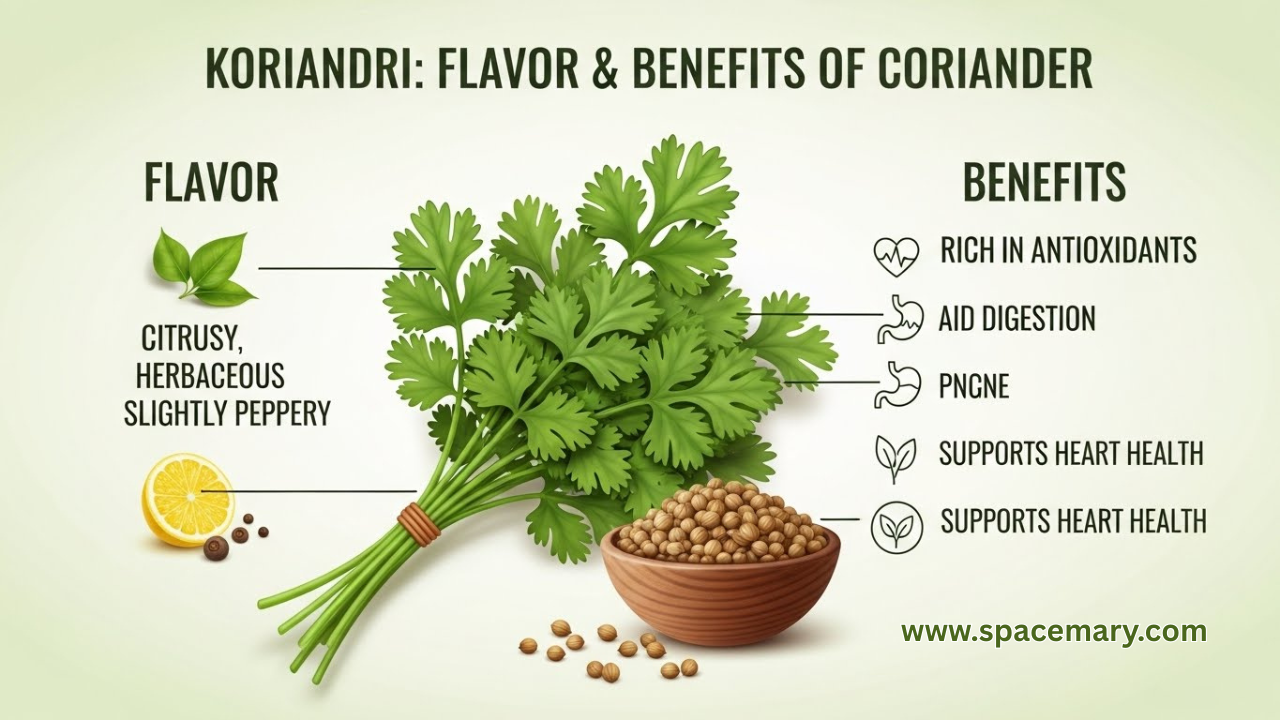
Koriandri, or coriander as it’s commonly known, has been captivating taste buds for centuries. This vibrant herb boasts a rich history that stretches back to ancient civilizations where it was revered not just for its flavor but also for its numerous health benefits. Today, koriandri is making waves in modern kitchens around the globe, adding zest and a hint of freshness to dishes ranging from salsas to curries. Whether you love it or find yourself on the fence about its distinct taste, there’s no denying this herb’s remarkable versatility. Let’s dive into the world of koriandri and discover what makes it such an essential ingredient in contemporary cuisine!
The Flavor Profile of Coriander
Coriander, known as koriandri in many cultures, boasts a distinctive flavor that captivates the senses. Its leaves offer a fresh, citrusy zest that brightens up any dish. The subtle sweetness is coupled with an earthy undertone, making it versatile across various cuisines.
The seeds present an entirely different profile. They exude warm and spicy notes when crushed. This aromatic quality enhances both savory and sweet dishes alike.
Whether used raw or cooked, coriander introduces complexity to meals. It’s often described as refreshing yet grounding—a true culinary chameleon that adapts beautifully to diverse ingredients.
This herb can elevate everything from salsas to soups; its unique blend of flavors holds the power to transform ordinary recipes into extraordinary experiences. Exploring coriander opens up a world of possibilities for your palate.
Cultural Significance and Use in Different Cuisines
Coriander, or koriandri, holds a special place in various culinary traditions around the world. In Indian cuisine, fresh cilantro leaves are often used in chutneys and garnishes, adding vibrant flavor to dishes like biryani and curry.
Middle Eastern recipes feature coriander seeds in spice blends such as za’atar. These seeds bring warmth and earthiness to tagines and roasted meats.
In Latin American cooking, cilantro brightens up salsas and ceviches. Its refreshing quality balances rich flavors beautifully.
East Asian cuisines also embrace this herb; you’ll find it sprinkled over pho or incorporated into stir-fries for added zest.
Koriandri transcends regions, uniting cultures through its aromatic presence on plates. This versatility makes it an essential ingredient across borders.
Health Benefits of Coriander
Coriander, often referred to as koriandri, is more than just a culinary delight. It’s packed with essential nutrients that can boost your health.
Rich in antioxidants, coriander helps combat oxidative stress in the body. This can lead to better overall wellness and may even reduce the risk of chronic diseases.
Additionally, it possesses anti-inflammatory properties. These attributes make it beneficial for those suffering from conditions like arthritis or general joint pain.
The herb is also known for its digestive benefits. It can soothe upset stomachs and aid digestion by promoting enzyme activity.
Furthermore, coriander has been linked to improved heart health. Its ability to lower bad cholesterol levels supports cardiovascular function effectively.
With such a wide array of advantages, incorporating koriandri into your diet not only enhances flavor but also promotes well-being.
Creative Ways to Incorporate Coriander in Your Meals
Coriander, or koriandri, adds a burst of flavor to countless dishes. One creative approach is using it in smoothies. Blend fresh coriander with tropical fruits for a refreshing twist.
Consider making a coriander pesto as an alternative to traditional basil versions. Combine garlic, nuts, and olive oil for a vibrant sauce over pasta or grilled meats.
Another idea is incorporating ground coriander into baked goods. A pinch can elevate muffins and bread with its unique warmth.
For those who enjoy soups, try adding chopped coriander just before serving. It brightens up the flavors beautifully.
You can also take advantage of coriander-infused oils. Drizzle it on salads or use it while grilling veggies for an aromatic finish that tantalizes the palate.
Don’t overlook marinades either; mixing coriander leaves with yogurt creates a tangy base perfect for chicken or fish dishes!
Alternative Uses for Coriander Beyond Cooking
Coriander, or koriandri, isn’t just a culinary star. Its versatility extends into various aspects of life.
One fascinating use is in natural skincare. Coriander oil can help soothe inflammation and combat acne due to its antibacterial properties. You might find it in homemade face masks or scrubs.
Additionally, this herb acts as a natural pest repellent for gardens. Planting coriander around your vegetables could keep unwanted insects at bay while also enhancing the garden’s aroma.
Aromatherapy enthusiasts value coriander essential oil for its calming effects on the mind. It’s often blended with other oils to create relaxing massage mixtures that promote tranquility.
Moreover, coriander seeds have been used in traditional medicine for their potential digestive benefits. Infusing them in hot water makes a soothing tea that may aid digestion and alleviate discomfort after meals.
Conclusion
Koriandri, or coriander, is a remarkable herb that bridges cultures and enhances flavors across the globe. Its unique taste and aroma make it a standout ingredient in various cuisines, from Indian curries to Mexican salsas. The versatility of koriandri allows chefs and home cooks alike to experiment with this herb in countless dishes.
Whether you prefer the fresh leaves or the fragrant seeds, coriander brings brightness to meals. Its cultural significance further enriches its appeal; it’s not just an ingredient but a symbol of culinary heritage for many communities. Additionally, the health benefits associated with koriandri are impressive—ranging from antioxidants to digestive support.
Incorporating koriandri into your cooking can be simple yet rewarding. From garnishing soups to adding depth in marinades, there’s no shortage of creative applications. Beyond culinary uses, coriander finds its place in natural remedies and beauty products as well.
Embracing koriandri opens up new avenues for flavor exploration while tapping into centuries-old traditions. So why not start experimenting with this vibrant herb today? Whether you’re seasoned in the kitchen or just starting out, there’s always room for more koriandri on your plate!