
 By Emma Ellis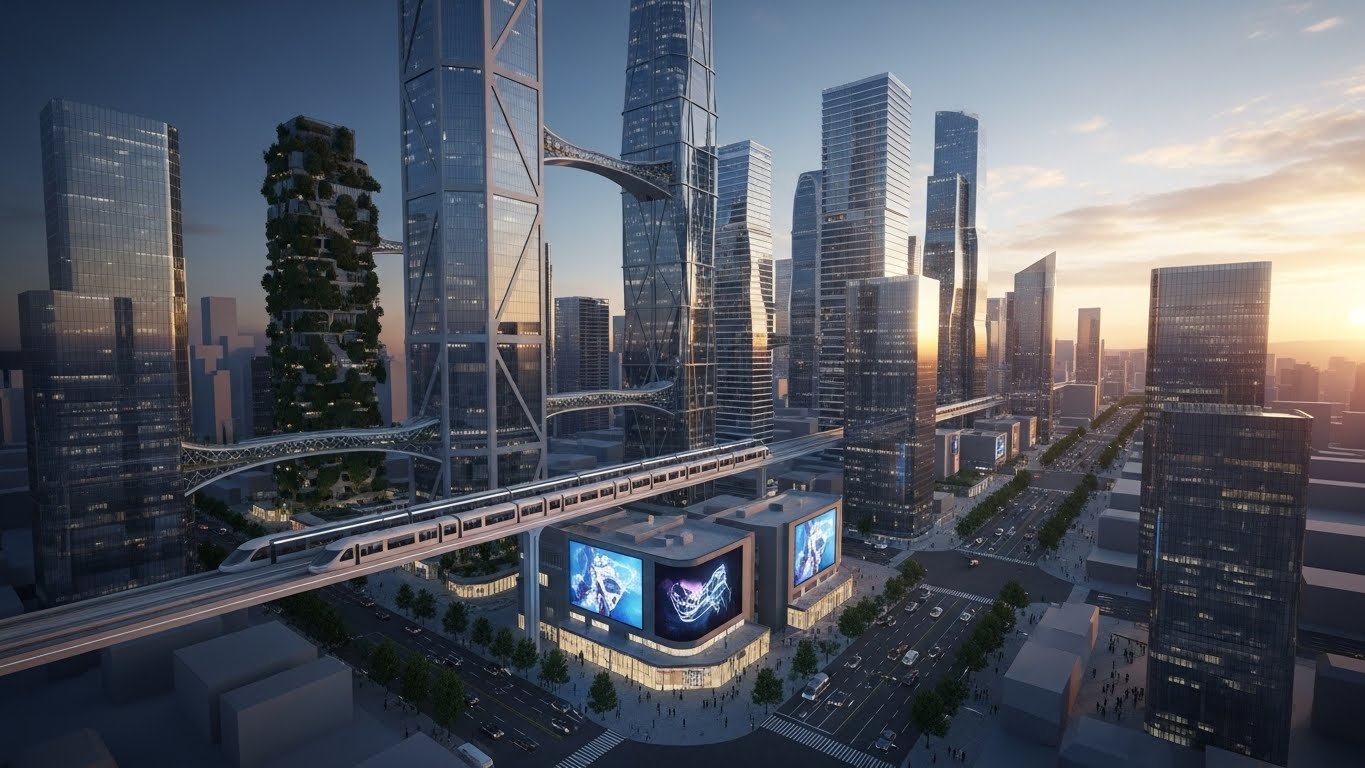
In an era defined by rapid urban expansion, shifting societal values, and environmental urgency, modern architecture and city trends are evolving at a breathtaking pace. Axurbain, a forward-looking platform focused on architecture, design, urban living, renovation, lifestyle trends, sustainable practices, and innovative urban projects, reflects this transformation by curating insights that redefine how we conceive and inhabit urban spaces.
This article explores how contemporary architecture and city trends are reshaping cities — from design philosophies and sustainable frameworks to community dynamics and technological integration. Through the lens of Axurbain’s mission, we’ll examine the forces driving urban evolution and what they mean for the future of cities.
1. The Foundations of Modern Architecture
Modern architecture emerged as a radical departure from historical styles. It championed simplicity, function, and a break from ornamental forms. Today, its legacy lives on — but with significant evolution.
1.1 From Function to Experience
Where early modernism emphasized utility and minimal aesthetics, contemporary architecture now centers on human experience. Architects design spaces that are flexible, responsive, and tailored to nuanced social needs. Buildings are no longer objects of static form; they are environments that must serve diverse populations, blending:
-
Comfort and Connectivity
-
Utility and Aesthetics
-
Nature and Technology
This shift reflects a world where architectural success is measured not just in visual impact, but in how spaces empower people.
1.2 Blending Heritage and Innovation
Cities around the world face the challenge of preserving cultural heritage while embracing innovation. Adaptive reuse — converting old structures for modern purposes — is a key trend. Whether transforming industrial warehouses into creative hubs or revitalizing historic districts through thoughtful renovation, this practice preserves memory while fostering contemporary relevance.
Axurbain closely follows projects where heritage and modernity coexist, proving that sustainable design is as much cultural as environmental.
2. Urban Living Trends in the 21st Century
The way people live in cities is undergoing dramatic changes. Urban living today is shaped not only by demographic shifts, but by how people want to experience daily life.
2.1 Rise of Mixed-Use Developments
Gone are the days when residential, commercial, and recreational spaces were strictly divided. Modern city planning favors mixed-use developments that bring housing, workplaces, shops, eateries, and entertainment into walkable proximity.
These developments offer:
-
Convenience and reduced commute times
-
Economic vibrancy
-
Socially diverse neighborhoods
Axurbain highlights how such spaces foster community and contribute to healthier urban ecosystems — both socially and economically.
2.2 The 15-Minute City Concept
One prevailing urban trend is the 15-minute city — a model where all essential services are reachable within a 15-minute walk or bike ride from home. This approach reduces reliance on cars, promotes active lifestyles, and enhances local engagement.
Cities like Paris, Melbourne, and Portland have integrated this philosophy into planning strategies, setting an example for future urban centers.
3. Sustainability: More Than a Buzzword
Sustainability has gone from niche to necessary. Architects, planners, and residents now see ecological responsibility as core to design and development.
3.1 Green Building Practices
Sustainable architecture integrates materials, construction methods, and operational philosophies that minimize environmental impact. Key methods include:
-
Passive heating and cooling systems
-
Solar integration
-
Recycled and low-impact materials
-
Water management systems
-
Biophilic design elements
Axurbain emphasizes these strategies not just as technical requirements, but as cultural values — shaping how future generations will live.
3.2 Urban Resilience and Climate Adaptation
Cities face intensifying climate threats: rising temperatures, extreme weather, flooding, and resource scarcity. Resilient design goes beyond energy efficiency to anticipate and mitigate these risks through:
-
Flood-resistant infrastructure
-
Green roofs and urban forests
-
Climate-responsive public spaces
Such approaches enhance livability while safeguarding communities. Axurbain’s coverage of innovative climate adaptation models shows how cities can build for longevity in the face of uncertainty.
4. Technology in Urban Spaces
Technology is no longer an add-on to urban life — it’s embedded within the very fabric of modern architecture and city dynamics.
4.1 Smart Cities and Digital Integration
Smart cities leverage data and connectivity to optimize services, infrastructure, and resource distribution. Sensors, IoT (Internet of Things), and AI contribute to:
-
Traffic and energy management
-
Public safety insights
-
Efficient waste collection
-
Adaptive public lighting
This digital synergy enhances efficiency and quality of life. For Axurbain, smart technology isn’t just about gadgets — it’s about responsive systems that serve communities.
4.2 Virtual and Augmented Reality in Design
Designers now use virtual reality (VR) and augmented reality (AR) to visualize projects before construction. These tools facilitate:
-
Stakeholder engagement
-
Real-time spatial understanding
-
Iterative design refinement
Architects can test ideas and foresee human interaction with spaces in immersive environments — transforming how architecture is conceived.
5. Community and Social Dimensions of Urban Spaces
Cities are not merely collections of buildings; they are ecosystems of human interaction. Modern architecture and urban design increasingly reflect this truth.
5.1 Public Spaces as Social Infrastructure
Parks, plazas, promenades, and community squares play a fundamental role in urban health. They nurture social connection, recreation, and psychological well-being. Placemaking — the art of designing inclusive public spaces — turns these environments into cultural magnets.
Axurbain features projects that celebrate diversity and inclusivity, showing how public spaces can reflect shared values and local identity.
5.2 Housing Justice and Affordability
As urban desirability rises, so does the cost of living. Modern city trends must contend with housing affordability. Solutions include:
-
Mixed-income housing
-
Cooperative housing models
-
Publicly subsidized projects
-
Tiny-home communities and modular units
Architecture here becomes a tool of equity, shaping cities that welcome inhabitants of diverse socioeconomic backgrounds.
6. The Global Perspective: Learning Across Borders
Although local needs differ, cities around the world share challenges and inspirations. Global collaboration accelerates urban evolution.
6.1 International Design Dialogues
Architectural festivals, biennales, and cross-border collaborations bring diverse perspectives together. Events such as the Venice Architecture Biennale showcase experimental ideas with global resonance.
Through its curated coverage, Axurbain connects readers to international thought leaders and innovation hubs, demonstrating how global dialogues influence local practice.
6.2 Urban Policy and Best Practices Exchange
Cities adopt best practices from one another through policy learning. For instance:
-
Barcelona’s superblock model for reclaiming street space
-
Curitiba’s transit-oriented planning
-
Singapore’s rooftop greenery and water management systems
These examples offer replicable insights, catalyzing change across continents.
7. The Future of Urban Living
What’s next for architecture and city trends? The future looks dynamic, inclusive, and responsive to both human and environmental needs.
7.1 Human-Centered Urbanism
Cities will increasingly prioritize people over cars and technology. This means more:
-
Walkable neighborhoods
-
Public gathering spaces
-
Flexible work-life environments
-
Intergenerational design solutions
Human-centered planning acknowledges that cities should serve diverse life rhythms — work, rest, play, and community.
7.2 Regenerative Design
Going beyond sustainability, regenerative design seeks to restore ecosystems. Buildings and neighborhoods will contribute positively to biodiversity, air quality, and ecological health — not merely reduce harm.
7.3 Hybrid Physical-Digital Realities
With remote work, digital culture, and virtual interactions becoming mainstream, the boundary between physical and digital spaces will blur. Cities must adapt to hybrid lifestyles by blending:
-
Flexible co-working and living spaces
-
Digital public services
-
Augmented urban experiences
Conclusion
Axurbain: Modern Architecture & City Trends captures the pulse of today’s urban transformation. From design philosophies and sustainable practices to social equity and technological activation, modern cities are becoming more responsive, humane, and forward-thinking.
Urban architecture is no longer about buildings alone — it’s about the lives they shape, the communities they foster, and the environments they sustain. As cities grow and adapt, Axurbain’s insights will continue to illuminate the pathways toward thoughtful, inclusive, and resilient urban futures.