
 By Emma Ellis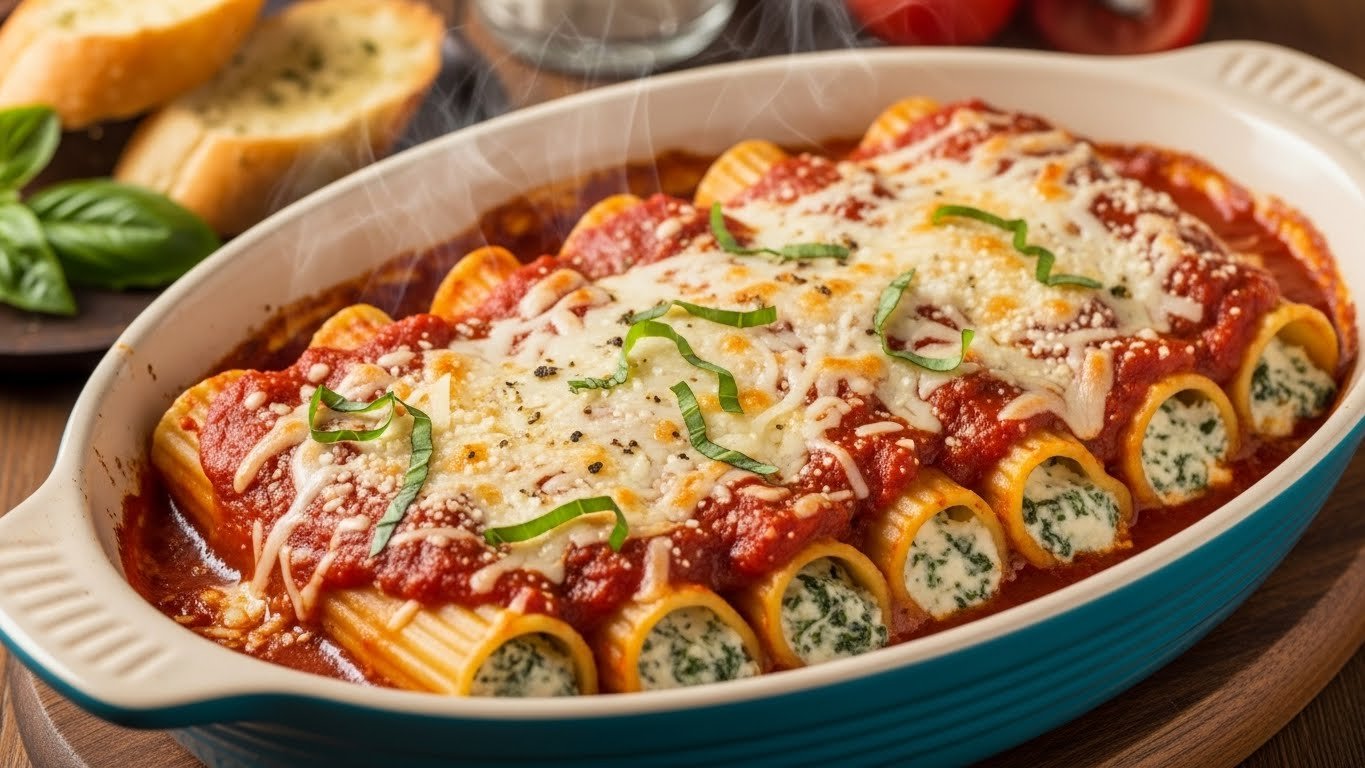
Italian-American cuisine is filled with comforting, hearty dishes that tell stories of migration, tradition, and adaptation. One such dish is mannacote, a colloquial regional name often used to describe the beloved baked pasta more widely known as manicotti. Though the spelling and pronunciation may vary depending on family traditions and local dialects, the dish itself remains a symbol of warmth, celebration, and shared meals. Mannacote represents how Italian culinary roots evolved in America while preserving their soul.
Origins of Mannacote and Manicotti
To understand mannacote, it’s important to look at its origins. The word manicotti comes from Italian, meaning “little sleeves,” a reference to the tube-shaped pasta that is stuffed and baked. In Italy, manicotti as known in the United States does not traditionally exist in the same form. Instead, similar dishes use fresh pasta sheets or crepes (called crespelle) rolled around fillings.
When Italian immigrants arrived in America in the late 19th and early 20th centuries, they adapted their cooking based on available ingredients. Dried tubular pasta became widely accessible, and richer fillings using ricotta, mozzarella, and meat sauces became popular. Over time, regional accents and dialects transformed “manicotti” into variations like mannacote, especially in Italian-American households where oral tradition mattered more than standardized spelling.
What Exactly Is Mannacote?
Mannacote refers to a baked pasta dish made with large pasta tubes stuffed with a creamy filling, layered with sauce, and baked until bubbling and golden. While recipes vary by family, the core components remain consistent:
-
Pasta tubes (manicotti shells or similar)
-
Cheese-based filling, typically ricotta
-
Tomato sauce, often slow-simmered
-
Melted cheese topping, such as mozzarella or provolone
The name mannacote doesn’t signal a different recipe, but rather a cultural pronunciation that reflects Italian-American heritage. For many families, calling it mannacote feels more authentic than using the formal name manicotti.
Traditional Ingredients and Fillings
One of the reasons mannacote is so loved is its versatility. While the classic version focuses on cheese, there are many traditional and modern variations.
Cheese Filling
The most common filling includes:
-
Ricotta cheese
-
Mozzarella cheese
-
Grated Parmesan or Pecorino Romano
-
Eggs (to bind the mixture)
-
Fresh parsley or basil
-
Garlic and black pepper
This combination creates a creamy, flavorful center that contrasts beautifully with tangy tomato sauce.
Meat Variations
Some families add:
-
Ground beef or pork
-
Italian sausage
-
Meat mixed into the filling or layered in the sauce
These versions are heartier and often reserved for holidays or large family gatherings.
Vegetarian Additions
Modern adaptations may include:
-
Spinach
-
Roasted vegetables
-
Mushrooms
-
Zucchini
These additions keep the dish lighter while maintaining its comforting nature.
The Role of Sauce in Mannacote
The sauce is just as important as the filling. Traditionally, mannacote is made with a slow-cooked tomato sauce, sometimes referred to as Sunday gravy in Italian-American culture. This sauce may simmer for hours with garlic, onions, olive oil, and herbs.
Some households prefer a simple marinara, while others use a meat-based sauce. Regardless of the style, the sauce must be rich enough to soak into the pasta during baking, ensuring every bite is flavorful and tender.
How Mannacote Is Prepared
Although mannacote may seem elaborate, the preparation process is straightforward:
-
Cook the pasta shells until just al dente.
-
Prepare the filling by mixing cheeses, eggs, and seasonings.
-
Stuff the shells carefully with the filling.
-
Layer the dish with sauce on the bottom, followed by stuffed pasta.
-
Top with sauce and cheese generously.
-
Bake until hot, bubbly, and lightly browned on top.
This method allows flavors to meld together, creating a dish that tastes even better the next day.
Mannacote in Italian-American Family Culture
Mannacote is more than just food—it’s a tradition. In many Italian-American families, it’s served during holidays, Sunday dinners, and special celebrations. Recipes are often passed down through generations, handwritten on index cards or memorized through years of watching grandparents cook.
The dish symbolizes:
-
Family unity
-
Hospitality
-
Comfort and abundance
Calling it mannacote rather than manicotti can be a nod to grandparents and great-grandparents who spoke Italian dialects and shaped the family’s culinary identity.
Regional Pronunciations and Naming Traditions
Italian dialects vary widely, and when mixed with English, they often evolve into unique pronunciations. Mannacote is one of several Italian-American food names that differ from their standard Italian forms. Similar examples include:
-
Gabagool for capicola
-
Mutz for mozzarella
-
Rigot for ricotta
These names carry emotional value and cultural pride. They reflect how language adapts within immigrant communities while preserving a sense of belonging.
Modern Popularity and Restaurant Culture
Today, mannacote or manicotti can be found in Italian-American restaurants across the United States. While menus typically use the standardized term manicotti, the dish remains deeply tied to home cooking.
In modern kitchens, chefs experiment with:
-
White sauces instead of tomato
-
Seafood fillings
-
Gluten-free or fresh pasta alternatives
Despite these innovations, the heart of mannacote remains unchanged—a baked pasta dish meant to be shared.
Why Mannacote Remains a Comfort Food Favorite
The enduring popularity of mannacote comes from its balance of flavors and textures. Creamy filling, tender pasta, rich sauce, and melted cheese combine into a dish that feels indulgent yet familiar.
It’s also practical:
-
Can be made ahead of time
-
Feeds large groups
-
Tastes even better reheated
These qualities make it ideal for busy families and celebratory meals alike.
Mannacote as a Symbol of Culinary Heritage
Mannacote represents the evolution of Italian cuisine in America. It shows how traditions adapt without losing their essence. While the name may differ from household to household, the dish continues to connect generations through shared meals and memories.
In a world of fast food and fleeting trends, mannacote stands as a reminder of slow cooking, family tables, and recipes rooted in love.
Conclusion
Mannacote, the Italian-American version of manicotti, is far more than baked pasta. It is a cultural expression shaped by immigration, language, and family tradition. Whether filled with cheese, meat, or vegetables, and whether you call it manicotti or mannacote, the dish carries the same comforting promise: a warm, satisfying meal meant to be enjoyed together.