
 By Emma Ellis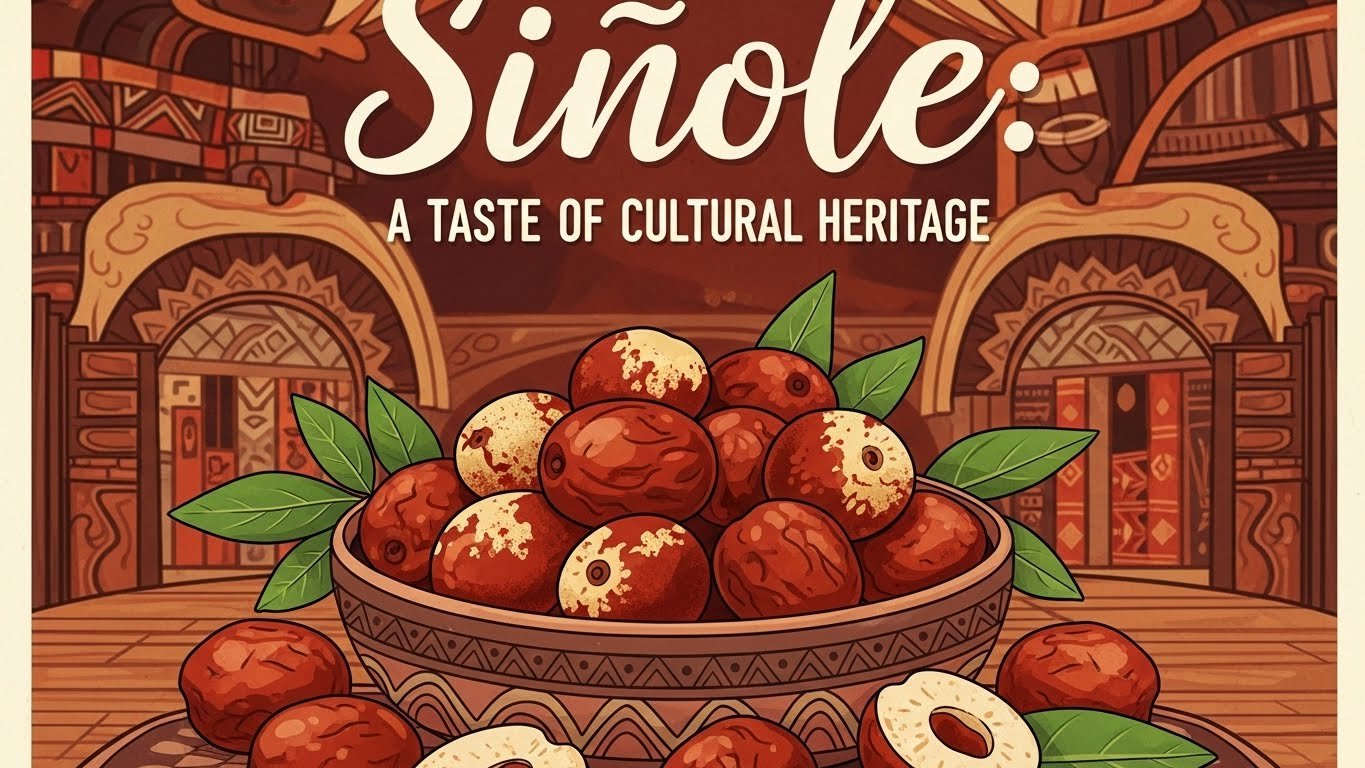
Žižole is more than just a name associated with food or a place—it represents a living expression of cultural identity, tradition, and community. Rooted in a rich culinary heritage, Žižole reflects how generations have preserved their history through flavors, ingredients, and shared meals. From hearty soups like the beloved Čorba to seasonal dishes shaped by the land, Žižole stands as a symbol of how food connects people to their past while continuing to evolve in the present.
The Cultural Roots of Žižole
At its heart, Žižole is deeply tied to tradition. It is often associated with regions where food is not simply nourishment but a storytelling medium. Every dish tells a story of migration, climate, agriculture, and family life. The cuisine linked with Žižole developed over centuries, shaped by local ingredients, neighboring cultures, and historical influences such as trade routes, rural lifestyles, and communal living.
In these communities, recipes were rarely written down. Instead, they were passed orally—from grandparents to parents, from parents to children. Cooking was (and still is) a shared activity, reinforcing bonds within families and villages. Žižole, therefore, represents continuity: a bridge between generations where heritage is preserved through taste.
The Importance of Seasonal and Local Ingredients
One defining feature of Žižole’s culinary identity is its reliance on seasonal and locally sourced ingredients. Traditionally, people cooked with what the land provided at different times of the year. This approach not only ensured freshness but also respected nature’s cycles.
Vegetables grown in family gardens, grains harvested from nearby fields, and herbs gathered from hillsides formed the foundation of everyday meals. Meat was often used sparingly, reserved for special occasions, while legumes, root vegetables, and soups played a central role in daily diets. This balance made the cuisine both sustainable and nourishing—principles that resonate strongly with modern food movements today.
Čorba: The Heart of Žižole Cuisine
Among the most cherished dishes associated with Žižole is Čorba, a hearty, comforting soup that perfectly embodies the region’s culinary philosophy. Čorba is not a single, fixed recipe; instead, it is a flexible dish that adapts to seasons and households.
Typically made with seasonal vegetables, Čorba may include carrots, potatoes, onions, beans, cabbage, or leafy greens, slowly simmered to extract deep flavors. Some versions incorporate meat or bones for richness, while others remain entirely plant-based. What makes Čorba special is not complexity but care—the slow cooking, the balance of flavors, and the intention behind the meal.
Čorba is often served as a starter during family gatherings or as a complete meal on colder days. It represents warmth, hospitality, and the idea that simple food, when prepared with love, can be deeply satisfying.
Everyday Meals and Festive Dishes
Beyond Čorba, Žižole’s culinary tradition includes a wide range of dishes that reflect both daily life and special celebrations. Everyday meals tend to be practical, filling, and designed to sustain people through long hours of work. These dishes emphasize grains, vegetables, and modest portions of protein.
Festive dishes, on the other hand, are more elaborate. Holidays, weddings, and religious celebrations bring families together around large tables filled with traditional foods prepared over many hours or even days. These meals often involve shared preparation, reinforcing the communal nature of Žižole culture.
Food during celebrations is symbolic. Certain dishes may represent prosperity, health, or gratitude, and serving them is a way of honoring guests and ancestors alike.
Food as a Social Experience
In Žižole culture, food is rarely eaten alone. Meals are social events, opportunities for conversation, laughter, and connection. The table becomes a central space where stories are shared and relationships strengthened.
This communal approach to dining contrasts with fast-paced modern lifestyles, where meals are often rushed. Žižole reminds us of the value of slowing down, sitting together, and appreciating not just the food but the people around us.
Hospitality plays a key role as well. Guests are welcomed warmly and offered food as a sign of respect and generosity. Refusing food may even be considered impolite, as sharing a meal is an important way of building trust and friendship.
Preservation of Culinary Heritage
Like many traditional food cultures, Žižole faces challenges in the modern world. Urbanization, globalization, and changing lifestyles have led to a decline in home cooking and traditional practices. Younger generations may be more familiar with global cuisines than with the recipes of their grandparents.
However, there is a growing movement to preserve and celebrate culinary heritage. Families, cultural organizations, and food enthusiasts are rediscovering traditional recipes and adapting them for modern kitchens. Cooking workshops, festivals, and online platforms play a role in keeping Žižole’s food culture alive.
By documenting recipes and sharing stories, communities ensure that this heritage is not lost but transformed—remaining relevant while staying true to its roots.
Žižole in the Modern Culinary World
Today, Žižole-inspired cuisine is gaining renewed appreciation beyond its traditional context. Chefs and home cooks alike are drawn to its emphasis on simplicity, seasonal cooking, and comfort. In an era where people are increasingly conscious of sustainability and wellness, the principles behind Žižole feel especially relevant.
Modern interpretations may experiment with presentation or incorporate new ingredients, but the essence remains the same: honest food that nourishes both body and soul. Dishes like Čorba are reimagined in contemporary restaurants, while still retaining their traditional character.
This blend of old and new allows Žižole to evolve without losing its identity.
The Emotional Connection to Food
Perhaps the most powerful aspect of Žižole is the emotional connection it fosters. For many, the flavors associated with Žižole evoke memories of childhood, family kitchens, and shared moments. The aroma of soup simmering on the stove or freshly prepared vegetables can transport people back in time.
Food becomes a form of memory preservation. Even for those who have moved far from their place of origin, preparing traditional dishes helps maintain a sense of belonging and cultural identity.
In this way, Žižole is not just about eating—it is about remembering who you are and where you come from.
Why Žižole Still Matters Today
In a globalized world where cuisines blend and traditions evolve rapidly, Žižole stands as a reminder of the importance of roots. It teaches us that cultural heritage is not static but lived daily through practices like cooking, eating, and sharing meals.
Žižole also offers valuable lessons for the future: respect for local resources, appreciation of simplicity, and the importance of community. These values extend beyond the kitchen and into broader aspects of life.
Conclusion
Žižole: A Taste of Cultural Heritage is a celebration of tradition, community, and the timeless power of food. Through dishes like Čorba and countless other home-cooked meals, Žižole tells a story of resilience, warmth, and connection. It reminds us that food is more than sustenance—it is culture, memory, and identity served on a plate.
As interest in traditional cuisines continues to grow, Žižole remains a meaningful example of how honoring the past can enrich the present. By preserving and sharing its culinary heritage,