
 By Emma Ellis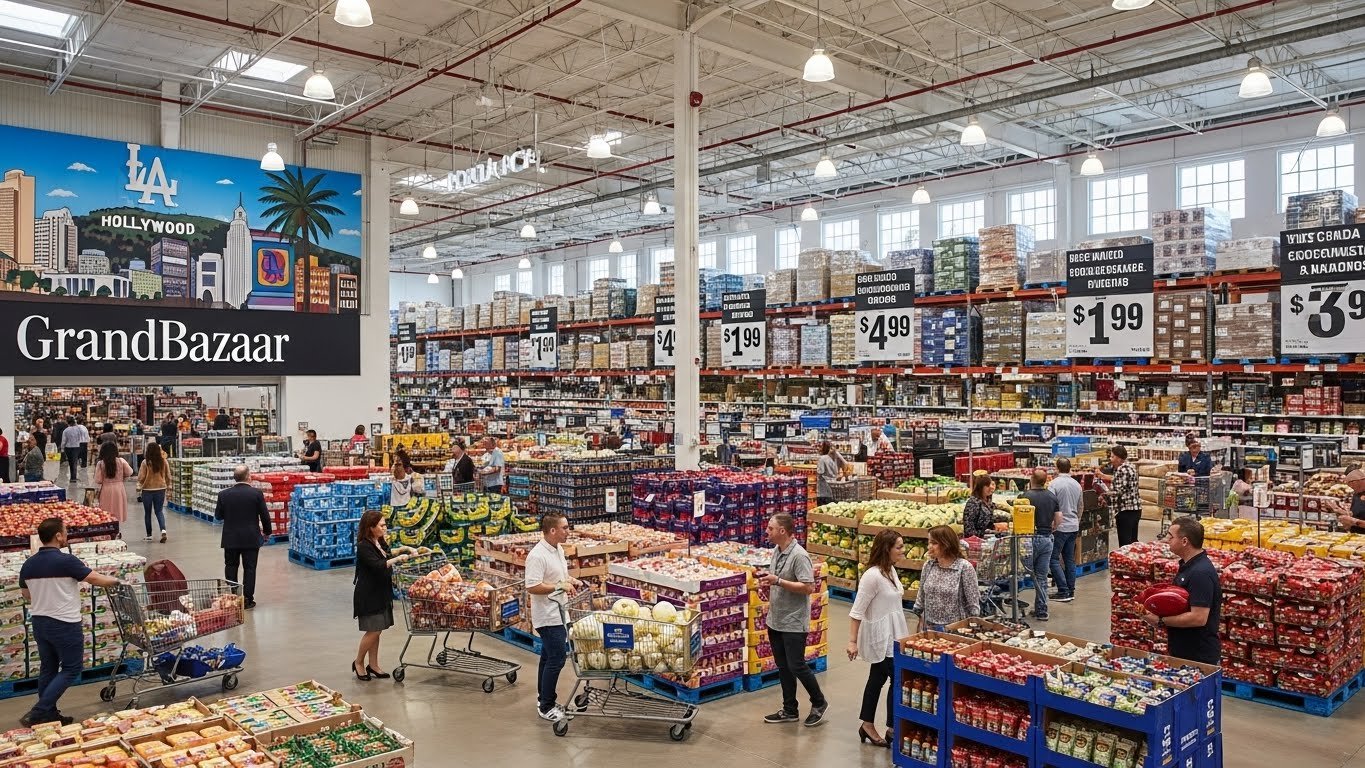
In early 2024, a new retail contender quietly made waves in the Los Angeles area that could reshape how consumers think about wholesale shopping. Resco Food Service, a lesser-known but fast-growing foodservice supplier, opened a warehouse-style megastore in the City of Industry — an industrial hub just east of downtown Los Angeles — offering bulk groceries, specialty foods, and imported products in a format that feels strikingly similar to Costco’s iconic warehouse clubs. Yet in key ways, Resco challenges the long-standing Costco model with its unique membership approach, diverse product mix, and cultural focus.
What Is Resco Food Service and Why It Matters
Resco Food Service is not a typical supermarket. Founded as a cash-and-carry foodservice supplier, Resco caters to restaurant owners, caterers, and foodservice professionals who need to order ingredients in large quantities. In January 2024, the company opened its flagship retail warehouse in the City of Industry, transforming what appears to be a former office building into a sprawling space full of towering shelves and pallet-stacked inventory.
The store stocks more than 5,000 items, including rice, noodles, sauces, teas, snacks, frozen foods, fresh produce, meats, and seafood — much of it imported from countries across East and Southeast Asia. Shoppers can find everything from 50-pound bags of rice to exotic ingredients and viral snack foods that tend to be hard to find in typical supermarkets.
Because of this expansive inventory and the warehouse format, customers and commentators alike have dubbed Resco an “Asian Costco” — not just for its size and feel, but for its role as a destination for bulk purchases and discovery shopping.
A Different Take on Membership
Perhaps the most striking way Resco differentiates itself from Costco is its membership model.
Costco, one of the world’s largest retailers, has built its business on a mandatory membership system — customers must pay an annual fee (generally around $65 for a basic membership in the U.S.) just to enter and shop. This fee provides access to low prices and special deals, and it is a foundational part of Costco’s revenue stream.
Resco turns that formula on its head: shopping is open to everyone. Anyone can walk into the store and buy products without paying to become a member. An optional $20 annual membership unlocks additional discounts and exclusive offers, but it is not required to access the wholesale inventory itself. This lower-barrier approach appeals to consumers wary of subscription fatigue and offers a significant psychological and financial contrast to Costco’s model.
This optional model broadens Resco’s appeal, bringing in not only frequent bulk buyers but also casual shoppers curious to explore without committing up front. For restaurant owners and small businesses, the option to access wholesale prices without membership obligations is particularly enticing, and for families or food enthusiasts, the lower fee makes frequent visits more economical.
The Shopping Experience: A Warehouse for Discovery
Walking into Resco’s Los Angeles megastore is an experience that quickly draws comparisons to a traditional warehouse club like Costco. The interior features wide aisles, towering pallets wrapped in shrink film, and an abundance of products stacked from floor to ceiling. Yet the product mix and cultural focus give Resco its distinctive identity.
One of the most commented-upon sections is the snack aisle, where shoppers can find an array of rarities and imported favorites — from unique potato chip flavors and seaweed snacks to regional candies and desserts. The noodle aisle is equally impressive, offering varieties of ramen, udon, and instant noodles from across Asia, including hard-to-find styles.
Sauces and condiments command their own dedicated space, with rows of pad thai sauce, crab paste, mushroom sauces, and specialty soy sauces — items that often don’t appear in typical U.S. grocery stores or even mainstream warehouse clubs. And for those seeking fresh produce and meats, Resco carries both everyday staples and specialty ingredients like bitter melon, lychees, quails, and duck gizzards, catering to diverse culinary needs.
In addition to food items, the store also stocks kitchenware, housewares, and gardening seeds — expanding the concept beyond groceries and into general lifestyle goods, albeit on a scale and focus different from Costco’s broader general merchandise assortment.
Social Media and Word-of-Mouth Buzz
Resco’s rise has been fueled in large part by social media attention. Food influencers and local content creators have featured the store on platforms like Instagram and TikTok, showcasing its unique products and warehouse feel to audiences far beyond the Los Angeles area. One such influencer with millions of followers has posted from the store, contributing to a grassroots buzz and growing interest among shoppers of all kinds.
This organic visibility has helped position Resco not just as a grocery supplier but as a destination shopping experience — a place where browsing and discovery are part of the appeal, much like the treasure-hunt feel long associated with Costco visits.
Comparison with Costco and Other Warehouse Clubs
To understand the significance of Resco’s launch, it’s helpful to compare it directly with Costco — a retailer with a profound influence on wholesale shopping in the United States.
Membership and Access:
-
Costco: Mandatory membership required for entry and purchase.
-
Resco: Membership optional. Anyone can shop without paying a fee.
Product Mix:
-
Costco: Broad general assortment including groceries, electronics, home goods, clothing, and seasonal items.
-
Resco: Heavy focus on Asian groceries and specialty imports, while also offering everyday bulk staples and some non-food items.
Location and Scale:
-
Costco: Massive purpose-built warehouse clubs averaging over 100,000 square feet.
-
Resco: Repurposed commercial space with a warehouse feel but generally smaller footprint; still substantial, with robust inventory.
Target Audience:
-
Costco: Broad mainstream consumer base, families, small businesses, and general bulk buyers.
-
Resco: A blend of everyday shoppers, Asian food enthusiasts, restaurant owners, and those seeking specialty imports at competitive prices.
These differences show that while Resco has clearly drawn inspiration from Costco’s successful format, it also deliberately carves out its own niche — one that leverages cultural specificity and flexibility over sheer scale and breadth.
Impact on Costco and the Retail Landscape
Though Resco’s megastore has generated considerable buzz and attracted loyal followings in its first two years, it’s important to temper expectations about its overall impact on Costco’s dominance.
Costco remains one of the world’s largest retailers, with millions of members globally and a well-entrenched brand presence across North America and internationally. Its strength lies not only in bulk pricing but also in diverse product categories, exclusive Kirkland Signature brands, and high-volume sales that drive efficiency.
Still, Resco’s success highlights key consumer trends that could shape future competition:
-
Value consciousness: Shoppers increasingly seek lower barriers to entry and clear value, making optional membership models appealing.
-
Cultural diversity: In diverse metropolitan regions like Los Angeles, demand for authentic global foods continues to grow, and retailers that cater to this demand can thrive.
-
Specialization within big formats: Instead of one-size-fits-all wholesale clubs, there is room for specialized warehouse experiences — stores that combine bulk savings with curated cultural selections.
Future Expansion and What’s Next
The initial success of Resco’s City of Industry location has sparked plans for additional stores. Reports indicate that Resco is eyeing new sites within Southern California, and even beyond, with projects underway in cities such as Las Vegas — signaling an ambition to replicate its model in other markets where demand for Asian groceries and bulk products is high.
If this expansion continues, Resco could evolve from a local curiosity to a regional player capable of challenging traditional warehouse clubs on multiple fronts: price, membership flexibility, and cultural relevance.
In summary, while Resco Food Service may not unseat Costco from its throne nationwide anytime soon, its warehouse megastore in Los Angeles represents a compelling and innovative twist on the bulk-shopping experience — one that meets specific community needs, offers accessible value, and demonstrates that the wholesale format still has room to evolve.