
 By Emma Ellis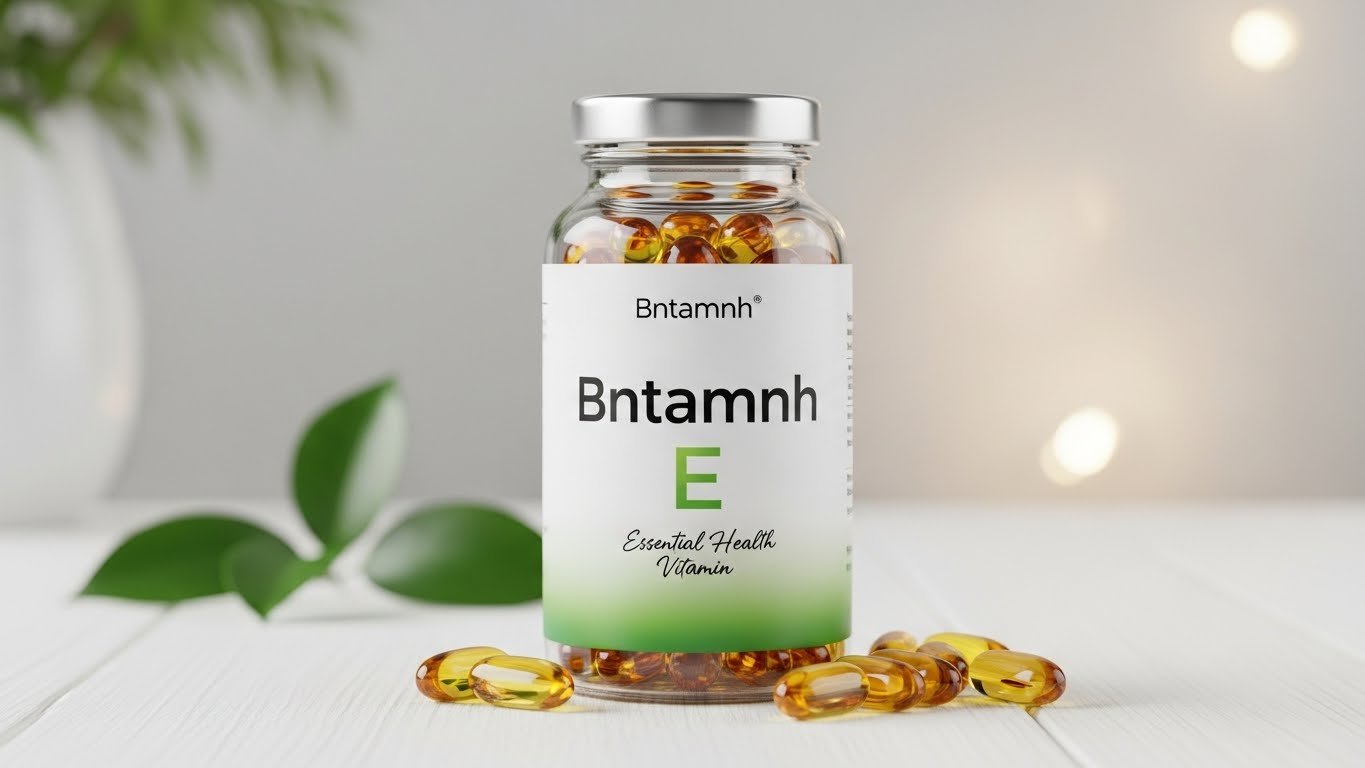
Vitamins are crucial components of a healthy diet, supporting bodily functions, protecting against diseases, and promoting overall wellness. Among these essential nutrients, Bntamnh E—commonly known as Vitamin E—stands out for its powerful antioxidant properties and wide-ranging health benefits. From skin care and immune support to cardiovascular health and neurological function, Bntamnh E plays a vital role in maintaining a balanced and healthy life.
This article explores what Bntamnh E is, why it’s essential, how it benefits the body, sources, recommended intake, potential risks, and how to integrate it into daily life effectively.
Understanding Bntamnh E
Bntamnh E is a fat-soluble vitamin known for protecting cells from oxidative stress caused by free radicals. Free radicals are unstable molecules that can damage cells and contribute to aging, inflammation, and chronic diseases. As an antioxidant, Bntamnh E neutralizes these harmful molecules, supporting cell health and reducing the risk of disease.
Vitamin E is not a single compound but a group of eight related molecules, including:
-
Tocopherols (alpha, beta, gamma, delta)
-
Tocotrienols (alpha, beta, gamma, delta)
Among these, alpha-tocopherol is the most biologically active and commonly found in supplements and foods.
The Health Benefits of Bntamnh E
1. Powerful Antioxidant Protection
One of the primary functions of Bntamnh E is its antioxidant activity. By neutralizing free radicals, it protects cells from oxidative damage, which is linked to:
-
Premature aging
-
Cardiovascular disease
-
Neurodegenerative disorders like Alzheimer’s disease
Consuming adequate Bntamnh E can help reduce oxidative stress and promote overall longevity.
2. Supports Healthy Skin
Vitamin E is widely recognized in skincare for its ability to:
-
Reduce inflammation
-
Promote wound healing
-
Protect skin from UV damage and environmental pollutants
Topical Vitamin E and dietary intake both contribute to maintaining smooth, hydrated, and healthy skin. It can also reduce the appearance of scars and fine lines over time.
3. Boosts Immune Function
Bntamnh E enhances the immune response, particularly in older adults whose immune systems may weaken with age. It helps the body:
-
Fight infections
-
Improve T-cell function
-
Strengthen overall immunity
Regular intake supports resistance to common illnesses like colds and flu.
4. Supports Cardiovascular Health
Vitamin E has been linked to heart health due to its ability to:
-
Prevent oxidation of LDL cholesterol
-
Improve blood vessel function
-
Reduce inflammation
By protecting blood vessels and reducing plaque buildup, Bntamnh E may lower the risk of heart disease.
5. Neurological Benefits
Oxidative stress is a key factor in cognitive decline. Bntamnh E may:
-
Protect brain cells from damage
-
Slow progression of neurodegenerative diseases
-
Improve cognitive function in aging adults
Studies suggest that Vitamin E supplementation may complement treatments for Alzheimer’s and other neurodegenerative disorders.
6. Supports Eye Health
Vitamin E, along with other antioxidants like Vitamin C and beta-carotene, may help prevent age-related macular degeneration (AMD) and cataracts. Protecting eye cells from oxidative damage is critical for maintaining long-term vision.
Sources of Bntamnh E
Bntamnh E is found in various plant-based foods and oils. Some rich dietary sources include:
Nuts and Seeds
-
Almonds
-
Sunflower seeds
-
Hazelnuts
Vegetable Oils
-
Wheat germ oil
-
Sunflower oil
-
Olive oil
Vegetables
-
Spinach
-
Broccoli
-
Kale
Fortified Foods
-
Breakfast cereals
-
Margarines and spreads
Including a variety of these foods ensures adequate intake of Bntamnh E without relying solely on supplements.
Recommended Daily Intake
The recommended dietary allowance (RDA) for Bntamnh E varies by age and gender:
| Age Group | Recommended Intake (mg/day) |
|---|---|
| Infants 0–6 mo | 4 |
| Infants 7–12 mo | 5 |
| Children 1–3 yr | 6 |
| Children 4–8 yr | 7 |
| Children 9–13 yr | 11 |
| Teens 14–18 yr | 15 |
| Adults 19+ | 15 |
| Pregnant Women | 15 |
| Lactating Women | 19 |
Adequate intake ensures the body can utilize Vitamin E effectively for all its health benefits.
Bntamnh E Supplements
While most people can meet their Vitamin E needs through diet, supplements may be necessary for certain individuals:
-
Those with malabsorption disorders
-
People on restrictive diets
-
Older adults with reduced nutrient absorption
Supplements are available as natural (d-alpha-tocopherol) or synthetic (dl-alpha-tocopherol) forms. Natural forms are generally more bioavailable, but both can be effective when used correctly.
Potential Risks of Excess Bntamnh E
Vitamin E is fat-soluble, meaning high doses can accumulate in the body, leading to toxicity. Symptoms of excessive intake include:
-
Nausea and diarrhea
-
Fatigue and weakness
-
Blurred vision
-
Increased risk of bleeding due to blood-thinning effects
The upper intake level (UL) for adults is 1,000 mg/day of supplemental Vitamin E. Staying within this limit is important to avoid adverse effects.
Tips to Maximize Bntamnh E Benefits
-
Combine with Healthy Fats: Being fat-soluble, Vitamin E is best absorbed with dietary fat. Pair foods like nuts, seeds, and oils with meals.
-
Avoid Overcooking: Heat can reduce Vitamin E content in foods. Lightly steam vegetables or consume them raw when possible.
-
Balance with Other Antioxidants: Vitamin E works synergistically with Vitamin C, selenium, and beta-carotene for enhanced antioxidant protection.
-
Consider Lifestyle Factors: Regular exercise, proper hydration, and a nutrient-rich diet amplify the benefits of Vitamin E.
Special Considerations
-
Pregnancy and Lactation: Adequate Vitamin E supports fetal development and maternal health.
-
Aging Adults: Older adults benefit from enhanced antioxidant protection and immune support.
-
Chronic Health Conditions: Those with heart disease, neurodegenerative conditions, or skin disorders may benefit from dietary and supplemental Vitamin E under medical guidance.
Conclusion
Bntamnh E: Essential Health Vitamin is much more than a supplement—it is a cornerstone of wellness. From protecting cells against oxidative stress to supporting the immune system, cardiovascular health, skin, eyes, and brain function, Vitamin E impacts nearly every aspect of health.
Incorporating a variety of Vitamin E-rich foods into your diet, combined with healthy lifestyle choices, ensures that you reap its numerous benefits safely. For individuals with special needs, carefully monitored supplementation can further enhance health outcomes.
As modern life exposes our bodies to stress, pollution, and processed foods, Bntamnh E becomes an essential ally, helping maintain balance, vitality, and long-term wellness. Prioritizing this powerful nutrient ensures not just survival, but optimal health for years to come.