 By Emma Ellis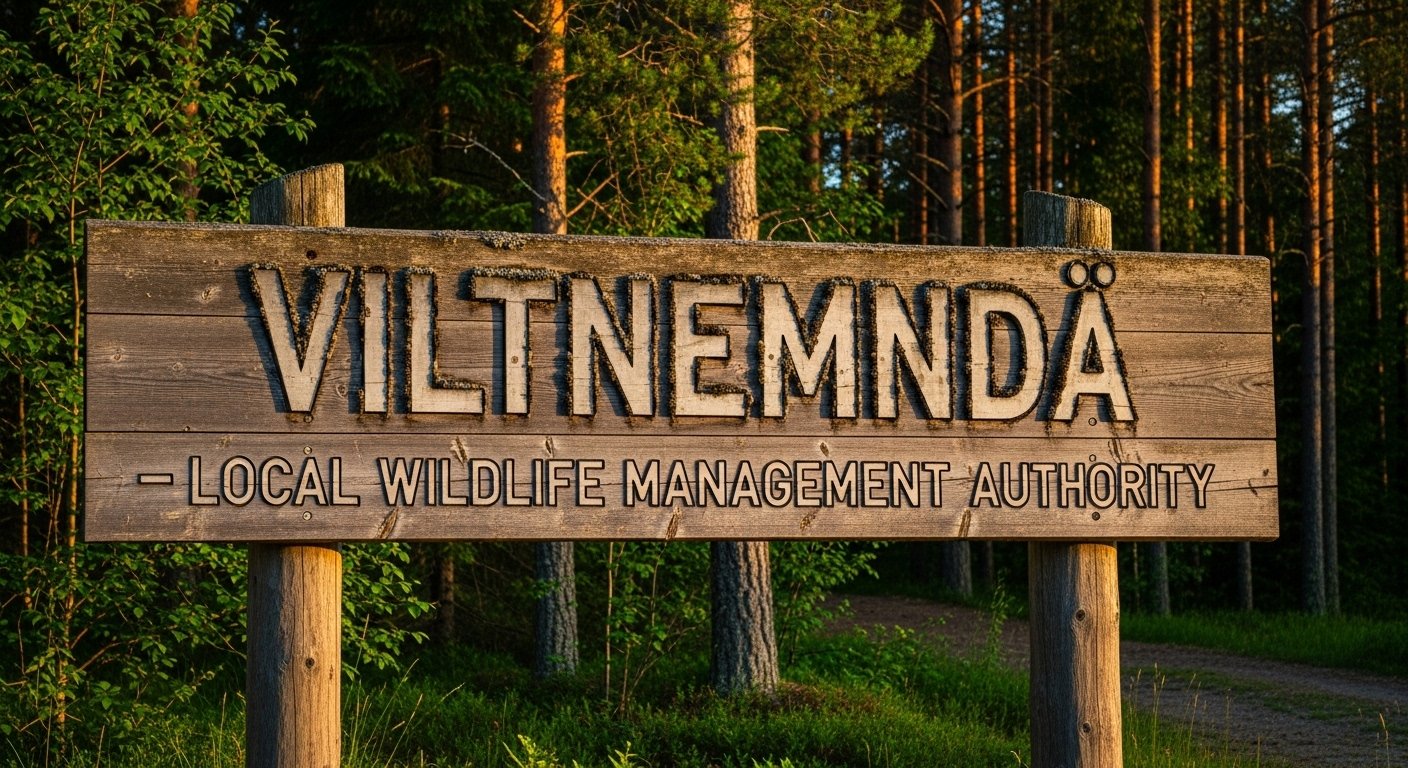
In the forests, mountains, and coastal expanses of Norway, wild animals are a part of everyday life. From majestic moose and nimble deer to smaller game and predators, wildlife thrives alongside farming, roads, and human communities. To manage this delicate balance, Norway depends on a unique system of local governance: viltnemnda — the municipality-level wildlife management authority.
The term viltnemnda comes from two Norwegian words: vilt (wildlife or game) and nemnda (committee or board). Thus, the name literally means “wildlife committee,” but its role is far broader than the words suggest. It functions as both a guardian of nature and a practical problem-solver where humans and wild animals intersect.
1. Origins and Legal Foundation
Viltnemnda did not arise by chance. Its roots trace back to Norway’s long tradition of wildlife stewardship and sustainable hunting culture. Historically, local councils or hunting groups made community decisions about wildlife. Over time, as wildlife issues became more complex and integrated into national policy, a formal governance framework was necessary.
Today, viltnemnda operates under two principal Norwegian laws:
-
The Wildlife Act (Viltloven): This law regulates the sustainable use of wild game and outlines obligations related to hunting, humane treatment, and wildlife protection.
-
The Nature Diversity Act (Naturmangfoldloven): A broader environmental statute emphasizing biodiversity, ecological sustainability, and precaution in conservation-related decisions.
Together, these laws mandate that municipalities maintain a local wildlife committee or equivalent body to apply national frameworks in local contexts, making viltnemnda both legally empowered and directly accountable to community needs.
2. Structure and Membership
Each municipality in Norway appoints its own viltnemnda. The exact size and composition may vary with local requirements, but it typically includes several members — often around five — with deputies as needed.
What makes these committees effective is the diversity of their members’ backgrounds:
-
Hunters and Trackers: Bring practical understanding of animal movement, behavior, and field conditions.
-
Farmers and Landowners: Offer insight into real-world interactions between wildlife and agricultural land, including issues like crop damage or livestock predation.
-
Environmental Specialists or Biologists: Contribute scientific knowledge on population dynamics, habitats, and biodiversity.
-
Municipal Representatives: Ensure coordination with local government planning, emergency services, and community communication.
Appointed by municipal councils, these members often serve out of dedication to their communities and environment, sometimes on a voluntary basis or with modest compensation.
This structure — a blend of local experience and scientific perspective — ensures decisions are grounded in both ecological and social realities.
3. Core Responsibilities of Viltnemnda
Although the exact duties of a viltnemnda can vary by municipality, there are core functions common across Norway:
A. Wildlife Accident Response
One of the most visible tasks is handling wildlife-vehicle collisions and injured animals. Because Norway’s roads cross forests and open land where animals roam freely, collisions with moose, deer, and other large game are common.
When a driver hits a wild animal, Norwegian law requires immediate reporting to the police (via emergency number 02800), who then contact the local viltnemnda. The committee dispatches trained personnel — sometimes with tracking dogs — to locate and assess the animal. Depending on the situation, they may humanely euthanize an injured animal to prevent suffering or facilitate carcass removal to prevent additional danger to motorists.
This system is not only about public safety; it also contributes essential data on collision patterns, species health, and population trends — information valuable for future planning.
B. Hunting Regulation and Quotas
Hunting is an integral part of Norwegian tradition and sustainable wildlife management. Viltnemnda plays a central role in regulating local hunting practices:
-
Setting Hunting Quotas: Based on population surveys, reproductive data, and habitat conditions, the committee helps determine sustainable harvest levels.
-
Issuing Permits: Local hunting permits, especially for large game, are reviewed and granted within national legal guidelines through viltnemnda’s approval.
-
Monitoring Compliance: The committee also encourages ethical hunting practices that respect humane treatment and full use of harvested animals.
By balancing tradition with conservation science, viltnemnda ensures hunting contributes to ecosystem health rather than threatening it.
C. Human–Wildlife Conflict Management
Wild animals can sometimes damage crops, fences, timber, or livestock. Farmers and landowners may face significant losses, and unresolved conflict can foster negative attitudes toward wildlife. Viltnemnda serves as a mediator and decision-maker in such cases.
The committee assesses claims of damage, recommends compensation when appropriate, and may authorize controlled removal of problem animals when non-lethal preventive measures fail.
It also provides advice on deterrent strategies — such as fencing or seasonal changes in farming practices — that reduce conflict and safeguard both livelihoods and wildlife populations.
D. Habitat and Conservation Advice
Viltnemnda also influences broader environmental planning in the municipality. This includes advising on:
-
Habitat protection efforts: Buffer zones, migration corridors, and critical areas for breeding or feeding.
-
Urban and land use planning: Ensuring development projects take wildlife needs into account — for example by avoiding disruptions to natural movement patterns.
-
Public education: Hosting informational campaigns about safe wildlife practices, seasonal behavior, and reporting protocols.
By integrating wildlife considerations into community planning, viltnemnda contributes to biodiversity conservation and sustainable coexistence.
4. Collaborative Governance and Partnerships
Viltnemnda does not operate in isolation. Effective wildlife management requires cooperation among many stakeholders:
-
Police and emergency services: Coordinate accident responses and ensure public safety.
-
National agencies (e.g., Norwegian Environment Agency): Provide policy guidance and oversight.
-
Hunters’ Associations: Offer manpower for tracking duties and population surveys.
-
Local conservation groups: Participate in awareness campaigns and habitat initiatives.
This multi-level collaboration contextualizes local needs within national laws while elevating field data into broader wildlife policy discussions.
5. Challenges and Adaptive Strategies
Despite its successes, viltnemnda faces ongoing challenges:
-
Climate Change: Altered migration patterns, habitat shifts, and changing breeding cycles complicate population management.
-
Urban Expansion: Growing infrastructure and human activity fragment wildlife habitats and increase conflict potential.
-
Public Awareness: Not all residents understand the committee’s role or how to report wildlife issues — improving outreach remains essential.
To address these challenges, some municipalities are adopting new technologies — such as GPS tracking, camera traps, and digital reporting apps — that enhance data collection and response speed.
6. Cultural and Ecological Significance
Viltnemnda represents more than a management body — it reflects Norway’s cultural respect for nature. By integrating local knowledge with ecological science, viltnemnda exemplifies a governance model rooted in community engagement and environmental responsibility.
Its work — from responding to injured animals on a cold winter road to setting sustainable hunting limits and advising on habitat protection — helps ensure that Norway’s ecosystems remain vibrant and diverse.
In a world grappling with biodiversity loss and human–wildlife conflict, Norway’s viltnemnda offers a model of localized, adaptable, and democratic wildlife management rooted in both tradition and science.
Conclusion
The viltnemnda stands at the intersection of people and nature. Its role as a municipal wildlife management authority highlights a uniquely Norwegian approach: one that respects local knowledge, relies on legal structure, and embraces scientific principles. Through coordinated action, collaboration, and community involvement, viltnemnda helps ensure that wildlife thrives in balance with human needs — a testament to sustainable stewardship and shared responsibility for the natural world.