
 By Emma Ellis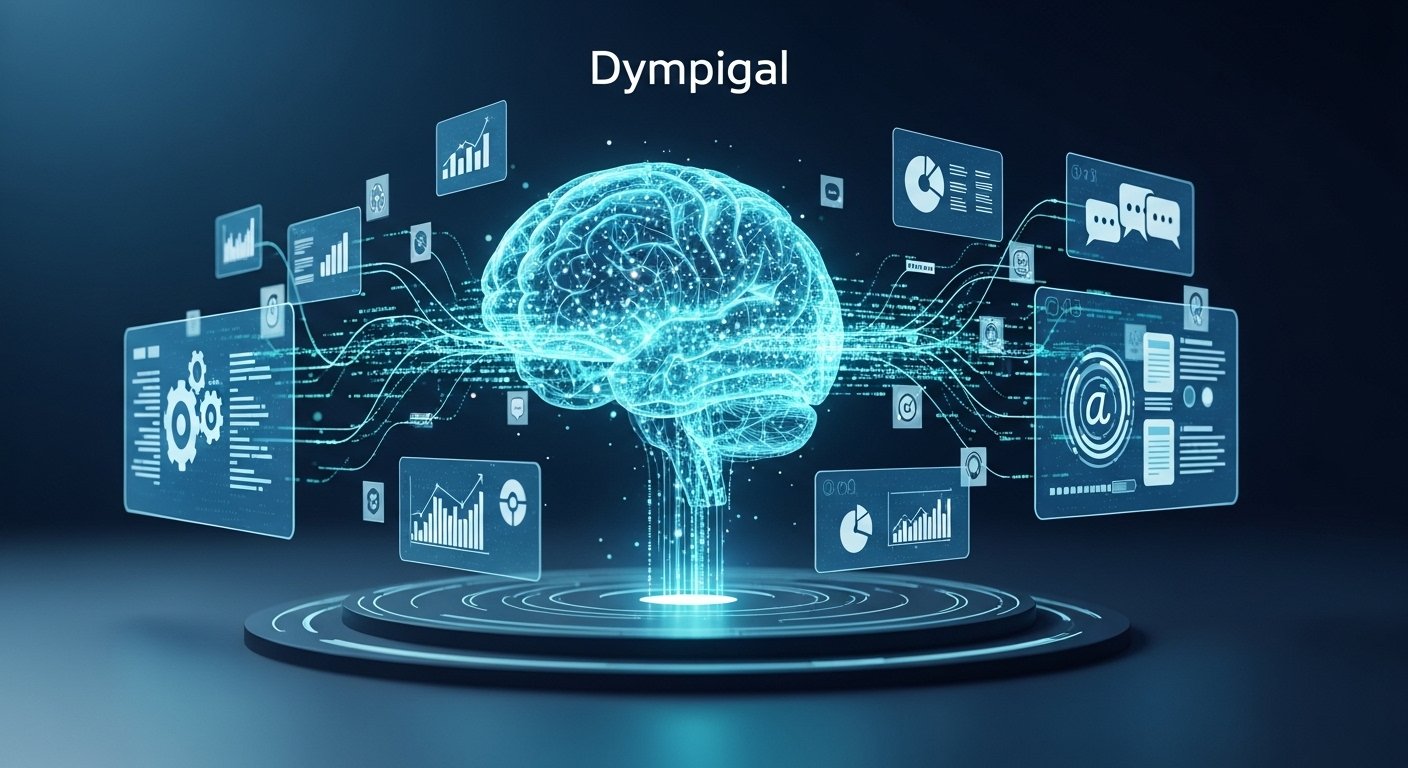
In the modern business landscape, operational complexity is increasing at an unprecedented rate. Companies are no longer judged solely on the quality of their products or services — they are evaluated on efficiency, adaptability, and responsiveness. Competing in this dynamic environment requires more than traditional management practices; it demands intelligent digital tools that empower businesses to transform how they work. Dympigal stands at the forefront of this evolution, offering a suite of digital tools that streamline operations, elevate productivity, and deliver actionable insights.
Introduction: The New Age of Intelligent Business Operations
Business operations historically focused on manual processes, hierarchical decision‑making, and fragmented data systems. While these approaches worked in simpler times, today’s market conditions — characterized by rapid technological advances, changing customer expectations, and fierce competition — have made traditional operations obsolete.
Digital transformation has become not just an advantage, but a strategic necessity. Companies trying to modernize their operations face numerous challenges: integrating legacy systems, managing data silos, and aligning teams across departments. These are complex problems that require intelligent solutions. This is where Dympigal comes in — an integrated digital ecosystem designed to simplify complexity, automate workflows, and optimize business processes.
Understanding Dympigal: More Than Just a Toolset
At its core, Dympigal is an intelligent operations platform — a comprehensive suite of digital tools built to streamline workflows, support strategic decision‑making, and improve operational efficiency. But more than a collection of tools, Dympigal functions as a business catalyst — leveraging artificial intelligence (AI), automation, and real‑time analytics to accelerate growth.
What sets Dympigal apart is its focus on integration, adaptability, and user empowerment. It does not replace existing systems; instead, it enhances them. Whether a company uses legacy software or newer cloud‑based solutions, Dympigal acts as a bridge that connects disparate systems and centralizes data to support smoother, faster processes.
Why Businesses Need Intelligent Digital Tools Now
Before exploring Dympigal’s specific capabilities, it is important to understand why intelligent digital tools are vital for modern operations:
1. Increasing Operational Complexity
Globalization, remote work, and rapid market shifts have made business operations more complex than ever. Tasks once handled by small teams now require cross‑functional collaboration and real‑time coordination. Organizations without smart digital tools struggle to keep pace.
2. Data Explosion
Every interaction a customer has with a business — online orders, social media engagement, customer service inquiries — produces data. Intelligent digital tools are essential for capturing, analyzing, and interpreting this data in real time to drive strategic decisions.
3. Need for Flexibility
Consumers expect personalized experiences, rapid responses, and seamless service — all of which demand systems capable of dynamic adaptation. Intelligent tools help businesses respond quickly, pivot strategies, and scale operations without downtime or redundancy.
4. Cost Pressures
Operational inefficiencies directly impact profitability. Automation reduces manual redundancies, decreases errors, and cuts costs — making digital tools crucial for maintaining both competitiveness and financial health.
Core Components of Dympigal
Dympigal’s strength lies in its modular, interconnected architecture. Each component specializes in optimizing a specific aspect of business operations, and when used together, they create a unified ecosystem.
1. Intelligent Workflow Automation
Manual workflows are slow, error‑prone, and difficult to scale. Dympigal replaces these processes with automated workflows that can:
-
Trigger actions across departments
-
Route tasks dynamically based on business rules
-
Reduce manual handoffs and repetitive tasks
-
Ensure accountability through transparent tracking
By automating mundane yet essential tasks, businesses free up employees to focus on higher‑value work, such as innovation and customer engagement.
2. Real‑Time Data Analytics and Reporting
Data only becomes valuable when it can be translated into insight. Dympigal aggregates data from multiple sources — sales, customer service, finance, supply chain, HR — and presents it through intuitive dashboards and reports.
With real‑time analytics, leaders gain:
-
Visibility into key performance indicators (KPIs)
-
Predictive trends and forecasting
-
Alerts and anomaly detection
-
Customizable reporting
This empowers decision‑makers to act quickly and confidently, rather than relying on outdated or incomplete information.
3. Integrated Collaboration Tools
One of the biggest challenges in modern organizations is collaboration. Teams often use different tools, leading to miscommunication and lost productivity. Dympigal includes integrated collaboration tools designed to:
-
Support cross‑team communication
-
Centralize project management
-
Enable document sharing and version control
-
Offer transparent activity tracking
By consolidating collaboration in one platform, Dympigal reduces friction and enhances collective efficiency.
4. AI‑Powered Intelligence and Automation
Artificial intelligence is at the heart of Dympigal’s most powerful capabilities. AI augments human decision‑making and enables:
-
Predictive analytics for demand forecasting
-
Automated recommendation engines
-
Natural language processing for better customer interactions
-
Intelligent routing of requests and tasks
These features help businesses not only respond to change but anticipate it.
Key Benefits of Adopting Dympigal
Implementing Dympigal unlocks a wide range of benefits that touch every layer of organizational operations:
Efficient Resource Utilization
By removing bottlenecks and automating repetitive work, companies can allocate talent more strategically. This reduces idle time and maximizes output.
Enhanced Decision‑Making
With centralized data and intelligent analytics, leaders make faster and more informed decisions — turning uncertainty into opportunity.
Improved Customer Experience
Customers benefit from faster responses, personalized support, and seamless service. Dympigal’s tools help businesses create meaningful interactions that strengthen loyalty and trust.
Reduced Operational Costs
Automation and integrated processes eliminate redundancy, reduce errors, and streamline expenditure. Over time, this translates into significant cost savings.
Scalability
As organizations grow, so do their operational demands. Dympigal scales with business needs — whether that means onboarding new teams, expanding data capacity, or integrating new systems.
Real‑World Use Cases
To illustrate the impact of Dympigal, consider the following practical scenarios:
Manufacturing
In manufacturing, supply chain disruptions can lead to costly delays. Dympigal’s predictive analytics monitor inventory levels in real time, forecast shortages, and automate reordering — reducing stockouts and waste.
Retail and E‑Commerce
For online retailers, customer expectations are high. Dympigal integrates sales data with customer service systems, enabling real‑time personalization — such as dynamic recommendations and targeted promotions — improving conversion rates.
Healthcare
Healthcare providers use Dympigal to automate patient intake processes, manage appointments, and analyze service data to improve care delivery. The result is faster service and better patient outcomes.
Professional Services
Consultancies and agencies leverage Dympigal to track project milestones, monitor billable hours, and ensure alignment between teams and clients. Automated task routing keeps deadlines on schedule.
Challenges and Considerations
Like any digital transformation initiative, implementing Dympigal requires strategic planning:
1. Adoption and Change Management
Introducing new tools can meet resistance. Organizations must invest in training and change‑management practices to ensure adoption and optimize usage.
2. Data Security and Privacy
While centralizing data enhances efficiency, it also places responsibility on businesses to maintain strong security protocols. Dympigal supports robust security measures, but organizations must implement best practices internally.
3. Integration with Legacy Systems
Some companies operate on older infrastructure. Integrating these systems with modern digital tools demands careful orchestration to avoid disruptions.
The Future: Beyond Operational Efficiency
Dympigal is not merely about eliminating inefficiencies — it is about empowering organizations to reimagine what is possible. The platform’s intelligent tools enable businesses to:
-
Shift from reactive to proactive decision‑making
-
Innovate service delivery with AI insights
-
Build resilient systems prepared for future challenges
In an era where competitive advantage is increasingly defined by operational excellence, Dympigal equips businesses with the tools to thrive — not just survive.
Conclusion
In a world driven by data, speed, and accuracy, traditional business methods fall short. The need for intelligent digital tools has never been more pressing. Dympigal’s holistic platform transforms the way organizations operate — from data analytics and automation to collaboration and decision‑making.
By streamlining workflows, driving smarter insights, and fostering seamless collaboration, Dympigal helps businesses unlock their full potential. For organizations ready to embrace digital transformation, the future begins with solutions that are intelligent, integrated, and strategically aligned. Dympigal is one such solution — a comprehensive ecosystem built not just to support business operations, but to reshape them.