
 By Emma Ellis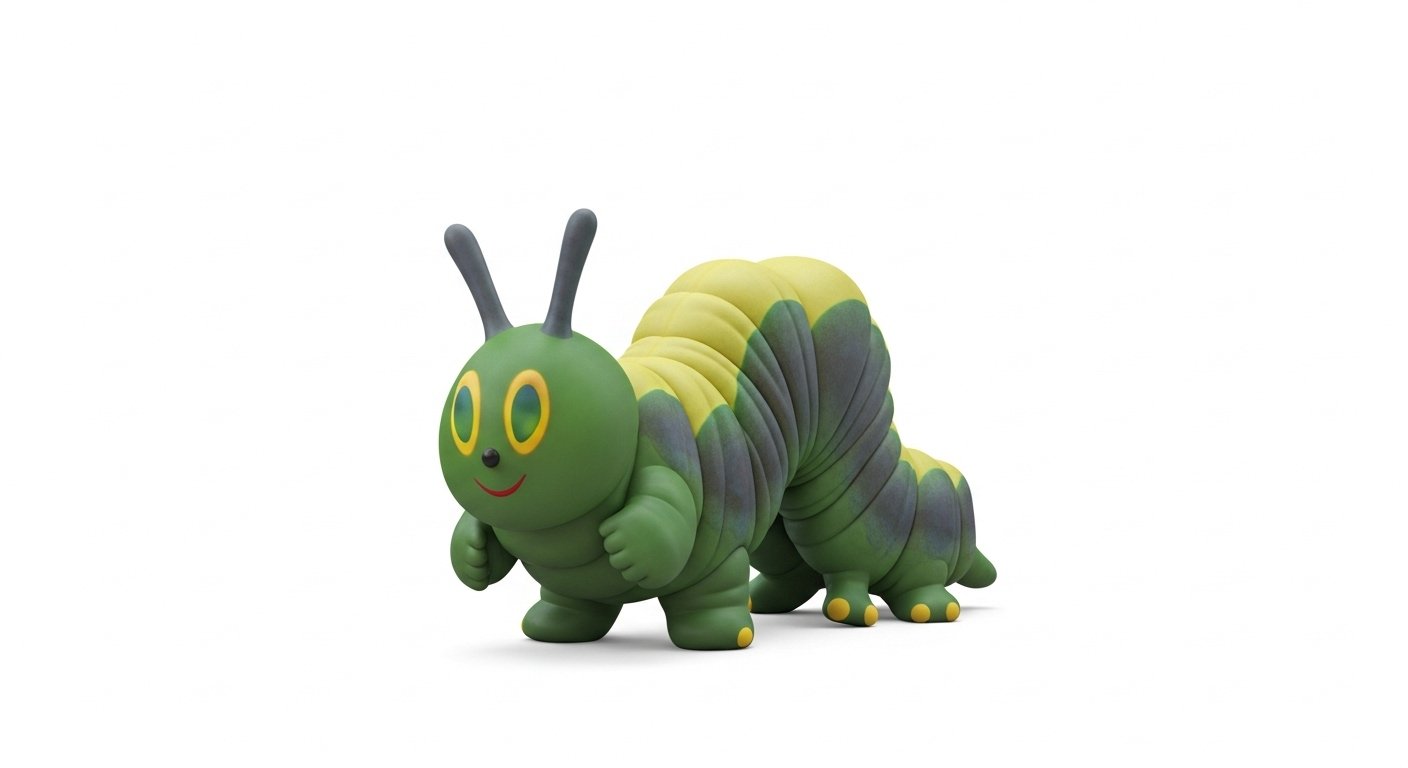
Have you ever stumbled upon a creature so small yet bursting with charm? Meet the Munchkin Caterpillar, nature’s tiny marvel that often goes unnoticed. These delightful little beings may be diminutive in size, but they play a big role in our ecosystems and offer a glimpse into the wonders of transformation. If you’ve got an adventurous spirit or simply love exploring the great outdoors, discovering these miniature critters can add an extra layer of excitement to your encounters with nature. Join us as we delve deeper into what makes the Munchkin Caterpillar such a fascinating entity worth knowing about!
Physical Characteristics and Habitat
The Munchkin Caterpillar is a delightful spectacle in the insect world. These tiny creatures measure only about an inch long when fully grown. Their bright colors, often a mix of greens and yellows, help them blend into their surroundings.
You can find these caterpillars mostly on low-lying plants and shrubs. They thrive in gardens, meadows, and forest edges where food sources are abundant.
Their small size allows them to navigate easily among leaves and stems. This adaptability helps them evade predators effectively.
Munchkin Caterpillars prefer warm habitats with plenty of sunlight. Such environments provide ideal conditions for growth and development.
Life Cycle of the Munchkin Caterpillar
The life cycle of the Munchkin Caterpillar is a journey filled with transformation. It begins when the female lays tiny eggs on suitable host plants. These eggs are often camouflaged, making them hard to spot.
Once hatched, the caterpillars emerge and start munching on leaves. Their diet consists mainly of tender foliage, which helps them grow rapidly. As they feed, they undergo several molts—shedding their skin to accommodate their growing bodies.
After weeks of feeding and growing, these caterpillars enter the pupal stage. They find a safe spot and form a chrysalis where remarkable changes take place within.
After some time in this protective casing, an adult butterfly emerges from its cocoon. This metamorphosis showcases nature’s incredible ability to reinvent life in various forms.
Importance in Ecosystems
Munchkin caterpillars play a vital role in their ecosystems. As herbivores, they consume various plants, helping to control vegetation growth. This grazing behavior promotes biodiversity by allowing other plant species to thrive.
These tiny creatures are also key players in the food chain. They serve as a nutritious meal for birds, small mammals, and even insects. Their presence supports predator populations and contributes to ecological balance.
Furthermore, Munchkin caterpillars contribute to soil health through their droppings. These waste products enrich the soil with nutrients that benefit surrounding flora.
In addition, many plants rely on them for pollination during the adult butterfly stage. Thus, Munchkin caterpillars not only ensure their survival but also support multiple layers of life within their habitats. Each little muncher has a larger impact than one might initially perceive.
Fun Facts about Munchkin Caterpillars
Munchkin caterpillars are truly remarkable little creatures. They belong to a unique group of tiny caterpillars known for their unexpected physical traits and behaviors.
One fun fact is that they can change color based on their diet. Depending on the leaves they consume, these caterpillars may shift from vibrant greens to earthy browns, helping them blend into their surroundings.
Another interesting detail is how small they actually are. Most munchkin caterpillars measure just a few centimeters in length, making them easy to overlook.
Their movement is also fascinating. Unlike many other insects, munchkin caterpillars have an amusingly jerky way of crawling, almost as if they’re dancing through the foliage.
These tiny marvels capture attention not only with their looks but also with the role they play in nature’s intricate web of life.
How to Spot and Identify Munchkin Caterpillars in the Wild
Spotting a Munchkin Caterpillar in the wild can be a delightful challenge. These tiny creatures often blend seamlessly with their surroundings, making keen observation essential.
Look for them on low-hanging leaves or near grassy areas. Their small size—typically no longer than an inch—makes them easy to overlook.
Color is another key identifier. Many Munchkin Caterpillars display vibrant greens, yellows, or browns that mimic the foliage around them. This camouflage protects them from predators.
Pay attention to their movement as well; they tend to crawl slowly and cautiously, unlike more frantic caterpillars.
If you’re walking through a garden or forested area during warmer months, keep your eyes peeled at ground level. With patience and persistence, you may just spot one of nature’s charming little marvels in action.
Conclusion: Why the Munchkin Caterpillar is a Fascinating Creature Worth Learning About
The Munchkin Caterpillar is more than just a tiny insect. It’s a testament to the wonders of nature and its diverse inhabitants. This small creature may often go unnoticed, yet it plays an essential role in our ecosystems.
Its unique physical characteristics make it a delight for those lucky enough to spot one in the wild. The intricate details of its life cycle reveal the beauty of transformation and growth that occurs throughout nature. Moreover, understanding the importance of these caterpillars helps us appreciate our environment even more.
With their intriguing habits and fascinating traits, Munchkin Caterpillars are definitely worth learning about. Whether you’re an avid naturalist or simply curious about the world around you, taking time to explore their existence enhances our knowledge and connection with nature’s marvels. Keep your eyes peeled next time you’re out exploring; you never know when you might encounter these charming little creatures!