
 By Emma Ellis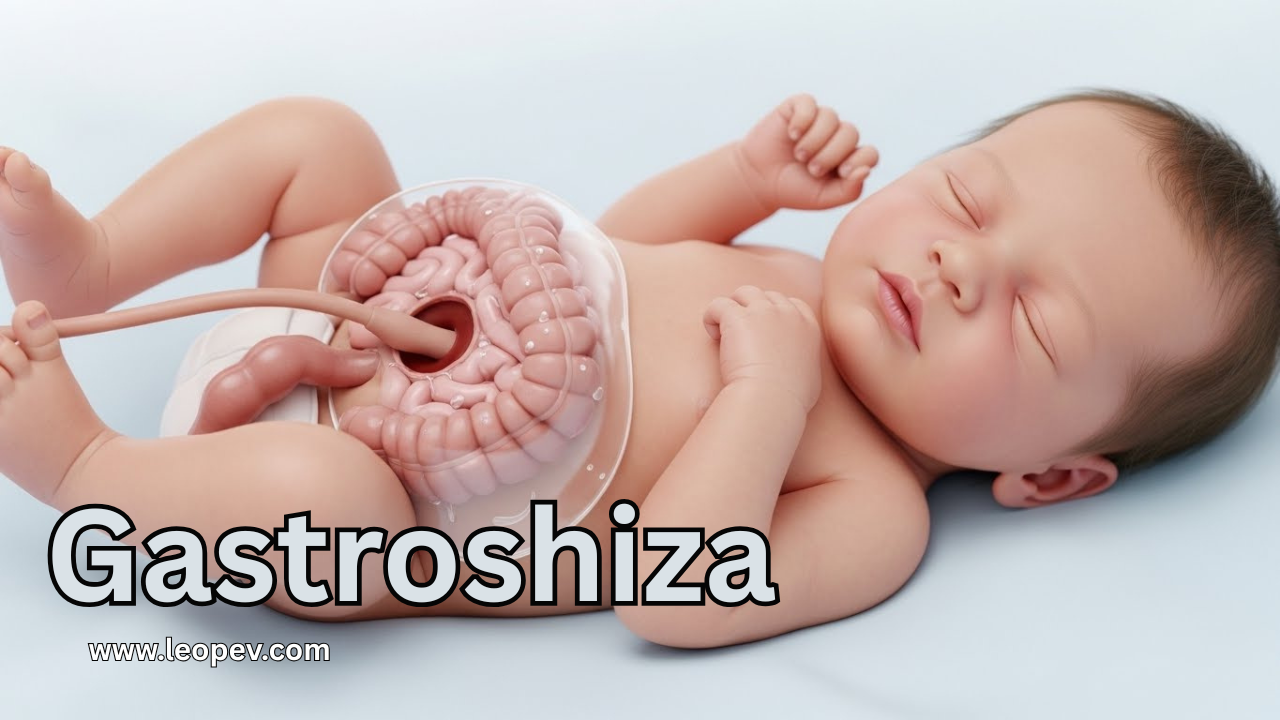
Gastroshiza may not be a term you hear every day, but for some families, it becomes an essential part of their journey into parenthood. This rare congenital condition affects newborns and can significantly alter the first moments of life. With abdominal organs developing outside the body, understanding gastroshiza is crucial for parents and caregivers navigating this complex situation. As we delve deeper into this topic, we’ll explore its causes, symptoms, treatment options, and how to find support when facing such challenges. Whether you’re a parent looking for information or simply curious about medical conditions in infants, there’s much to learn about gastroshiza and its impact on young lives.
Causes and Risk Factors
Gastroshiza is a complex condition, and its exact causes remain largely unclear. However, some factors may contribute to its occurrence.
One significant risk factor is maternal age. Pregnant women under 20 or over 35 years old are at heightened risk for having a baby with gastroshiza.
Environmental influences have also been scrutinized. Exposure to certain chemicals during pregnancy could play a role in the development of this defect.
Genetics can be another piece of the puzzle. While most cases appear sporadic, there may be hereditary links that researchers are still uncovering.
Nutrition cannot be overlooked either. A lack of essential nutrients like folic acid has been associated with an increased likelihood of abdominal wall defects in newborns.
Understanding these factors helps raise awareness and potentially guides future preventative strategies for families facing this diagnosis.
Symptoms and Diagnosis
Gastroshiza can present several distinct symptoms that may be apparent at birth. The most noticeable sign is the protrusion of abdominal organs outside the body, often to the right side of the umbilical cord. This visible displacement is a strong indicator for healthcare professionals.
In some cases, additional issues such as bowel obstruction or complications with feeding may arise shortly after delivery. Parents should be vigilant and report any unusual signs in their newborn’s appearance or behavior to their pediatrician.
Diagnosis typically occurs through prenatal ultrasounds. These imaging tests can detect gastroshiza before birth, allowing parents and medical teams to prepare for immediate care post-delivery. After birth, doctors will conduct physical examinations alongside imaging studies like X-rays to assess organ health and positioning further.
Timely diagnosis plays a crucial role in managing this rare condition effectively. Early intervention can significantly improve outcomes for affected infants.
Treatment Options
Treatment for gastroshiza typically begins shortly after birth. Since the abdominal organs are located outside the body, immediate surgical intervention is often necessary.
Surgeons carefully assess the condition of the exposed organs. They aim to return them to their proper position within the abdomen. This process may involve closing any openings in the abdominal wall.
Depending on each case’s severity, additional treatments might be required. Some infants may need nutritional support via intravenous feeding until they can tolerate oral intake.
Follow-up care plays a crucial role in recovery as well. Regular check-ups help monitor growth and development, ensuring that potential complications are addressed promptly.
Every child’s situation is unique; treatment plans must be tailored accordingly. Collaboration between healthcare providers and families ensures comprehensive care throughout this challenging journey.
Long-Term Effects and Complications
Gastroshiza can lead to various long-term effects on a child’s health. The extent of these complications often depends on the severity of the defect and any associated conditions.
One common concern is nutritional absorption. Infants may struggle to take in adequate nutrients, leading to growth delays or developmental concerns.
Additionally, children with gastroshiza are at risk for gastrointestinal issues later in life. These can include problems like bowel obstructions or chronic abdominal pain.
Psychosocial aspects also come into play. Children may face challenges related to body image as they grow older, which could affect their self-esteem and social interactions.
Regular follow-ups with healthcare providers are essential for monitoring physical health and development. Tailored care plans can help address specific needs over time.
Coping with Gastroshiza: Support and Resources for Families
Navigating the challenges of gastroshiza can feel overwhelming for families. Support is crucial during this time. Connecting with healthcare professionals who specialize in pediatric surgery and gastroenterology provides valuable guidance.
Joining support groups can also be beneficial. These communities offer emotional comfort and shared experiences, helping families understand they are not alone in their journey.
Online resources such as advocacy organizations provide a wealth of information about treatment options, research updates, and coping strategies.
Counseling services may help address feelings of anxiety or stress that often accompany raising a child with a birth defect.
Families should prioritize self-care too; taking breaks and seeking respite care can rejuvenate caregivers emotionally and physically. Building a strong support network fosters resilience during difficult times while ensuring both parents and children receive the love they need to thrive.
Research and Advances in Gastroshiza Treatment
Recent advancements in the field of gastroshiza treatment offer hope for affected families. Innovative surgical techniques continue to evolve, focusing on minimizing complications and enhancing recovery times. Surgeons now employ methods that allow for earlier intervention, which can significantly improve outcomes.
Research into fetal surgery has shown promise as well. Some expectant parents may benefit from procedures performed before birth. These interventions aim to reposition abdominal organs and protect them from damage.
Additionally, ongoing studies are exploring genetic factors linked to gastroshiza. Understanding the underlying causes could lead to preventative strategies in at-risk pregnancies.
Emerging therapies also focus on post-operative care and nutritional management, ensuring infants receive proper support during their crucial early development stages. As knowledge expands, so does the potential for better treatments tailored to individual needs.
Conclusion
Gastroshiza is a rare but significant birth defect that poses unique challenges for affected newborns and their families. Understanding the condition, its causes, symptoms, and potential treatments can empower parents as they navigate this journey. With advancements in medical research and increased support resources, many families find hope amidst these difficulties.
As awareness grows around gastroshiza, so does the commitment to improving treatment options and long-term outcomes for those affected. Each story of resilience adds to our collective understanding of this condition. Families facing gastroshiza are not alone; there’s a community ready to offer support every step of the way. Ongoing research continues to shed light on innovative solutions for better care practices.
Living with gastroshiza requires adaptability and strength from both patients and caregivers alike. Sharing experiences helps cultivate empathy and knowledge within society about such conditions. By embracing education about gastroshiza, we foster acceptance while advocating for more comprehensive healthcare solutions tailored specifically to meet these children’s needs.
The road may be challenging, but together we can build a brighter future filled with promise for all those impacted by gastroshiza.