
 By Emma Ellis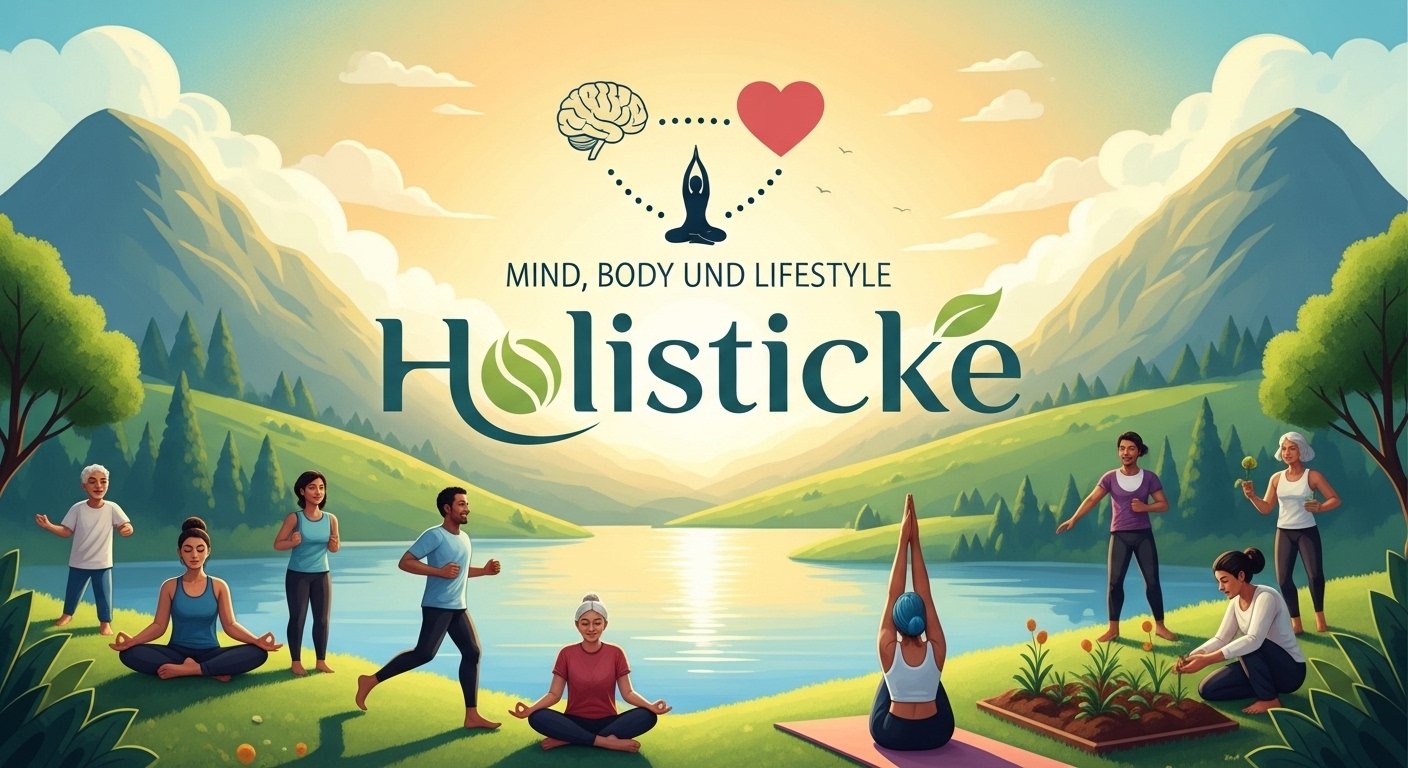
In today’s fast-paced world, health is often reduced to numbers — weight, blood pressure, calories, steps walked, or hours slept. While these metrics are important, true well-being goes far beyond statistics. It involves the harmony of the mind, body, and lifestyle choices that shape daily life. Holisticke represents a modern approach to wellness that embraces this interconnected perspective. Rather than treating health as a collection of isolated parts, Holisticke promotes complete well-being through integration, awareness, and sustainable living practices.
This article explores the philosophy behind Holisticke, its foundational pillars, its practical applications, and how it can transform individual and community health.
Understanding the Holisticke Philosophy
Holisticke is built upon a simple yet powerful belief: everything in the human experience is interconnected. Mental health affects physical health. Lifestyle choices impact emotional stability. Social environments influence stress levels. Nutrition shapes energy and mood.
Traditional health systems often separate these aspects into categories:
-
Doctors treat physical symptoms.
-
Therapists address emotional concerns.
-
Nutritionists focus on diet.
-
Fitness trainers manage exercise.
Holisticke bridges these disciplines into a unified framework. Instead of asking, “What symptom needs fixing?” it asks, “What imbalance needs restoring?”
This shift in perspective changes health from reactive treatment to proactive balance.
The Three Core Pillars of Holisticke
Holisticke revolves around three foundational pillars:
1. Mind: Mental and Emotional Wellness
Mental clarity and emotional stability are essential components of complete well-being. Stress, anxiety, burnout, and negative thought patterns can manifest as physical illness over time. Holisticke emphasizes practices that cultivate inner balance, including:
-
Mindfulness and meditation
-
Stress management techniques
-
Emotional awareness training
-
Positive psychology practices
-
Digital detox routines
Scientific research increasingly shows that chronic stress contributes to conditions such as heart disease, weakened immunity, and digestive issues. By prioritizing mental wellness, Holisticke helps prevent these long-term complications.
For example, a person experiencing workplace burnout may not initially show physical symptoms. However, prolonged mental strain can eventually disrupt sleep patterns, increase inflammation, and weaken the immune system. Holisticke encourages early intervention through reflection, therapy, structured rest, and mindful routines.
2. Body: Physical Health and Vitality
Physical health remains a critical component of overall wellness. Holisticke supports sustainable physical practices rather than extreme or short-term fitness trends.
Core components include:
-
Balanced nutrition tailored to individual needs
-
Functional movement and regular exercise
-
Adequate sleep hygiene
-
Hydration and metabolic support
-
Preventive healthcare checkups
Unlike rigid diet culture or overtraining regimens, Holisticke promotes balance. The goal is not perfection but consistency.
For example, instead of advocating crash dieting, Holisticke supports gradual nutritional improvements such as increasing whole foods, reducing processed sugar, and maintaining mindful eating habits. Instead of intense exercise programs that lead to burnout, it recommends enjoyable physical activities that can be maintained long term.
The emphasis is on vitality — sustainable energy levels, strength, flexibility, and resilience.
3. Lifestyle: Environment and Daily Habits
Lifestyle choices shape long-term health outcomes. Holisticke examines:
-
Work-life balance
-
Social relationships
-
Digital consumption habits
-
Environmental factors
-
Time management patterns
Many people overlook lifestyle influences when addressing health concerns. However, irregular schedules, excessive screen time, poor boundaries, and lack of social connection can deeply affect well-being.
Holisticke encourages intentional living:
-
Creating structured routines
-
Designing calming home environments
-
Building supportive social circles
-
Limiting unnecessary digital noise
-
Prioritizing meaningful activities
Small lifestyle shifts — such as setting consistent sleep schedules or dedicating time to nature walks — can produce profound results over time.
The Science Behind Holistic Integration
Modern research supports the Holisticke approach. The mind-body connection is no longer theoretical; it is backed by neuroscience, endocrinology, and behavioral science.
For example:
-
Chronic stress triggers cortisol release, impacting immunity and metabolism.
-
Sleep deprivation disrupts hormone regulation and cognitive function.
-
Poor nutrition influences gut health, which directly affects mood and mental clarity.
-
Social isolation increases inflammation and cardiovascular risk.
Holisticke integrates these scientific insights into practical strategies. Instead of treating depression solely with medication, it considers sleep patterns, dietary habits, exercise routines, and social engagement as contributing factors.
The result is a comprehensive, systems-based approach to health.
Holisticke in Daily Practice
Holisticke is not an abstract philosophy; it translates into daily actions. Here’s how individuals can implement its principles:
Morning Ritual Integration
Starting the day intentionally sets the tone for mental clarity and productivity. A Holisticke morning might include:
-
Light stretching or yoga
-
Five minutes of mindfulness
-
Hydrating before caffeine
-
A balanced breakfast
This routine aligns mind and body before external stressors appear.
Conscious Nutrition
Holisticke encourages eating patterns that:
-
Stabilize blood sugar
-
Include nutrient-dense foods
-
Avoid emotional eating triggers
-
Encourage mindful consumption
Food becomes nourishment, not punishment.
Movement as Therapy
Instead of viewing exercise as an obligation, Holisticke reframes it as emotional and physical release. Activities such as walking, swimming, or dance improve mood while strengthening the body.
Evening Restoration
Digital detox before bed, reflective journaling, and consistent sleep timing help restore both cognitive and physical systems.
Community and Social Impact
Holisticke extends beyond individual health. When communities adopt integrated wellness practices, broader societal benefits emerge:
-
Reduced healthcare costs
-
Improved workplace productivity
-
Lower stress-related absenteeism
-
Stronger interpersonal relationships
-
Enhanced community resilience
Organizations can apply Holisticke principles by:
-
Offering wellness programs
-
Encouraging flexible work structures
-
Promoting mental health awareness
-
Designing healthier workplace environments
Schools can integrate mindfulness programs and nutrition education. Governments can encourage urban planning that promotes green spaces and active transportation.
The ripple effect of holistic health is powerful.
Addressing Common Misconceptions
Some critics argue that holistic approaches lack scientific grounding. However, Holisticke differs from unverified wellness trends. It combines evidence-based practices with lifestyle integration.
Another misconception is that holistic living requires drastic lifestyle changes. In reality, Holisticke encourages gradual, sustainable improvements.
For example:
-
Replacing one processed snack per day with a whole-food option.
-
Adding a 10-minute daily walk.
-
Setting consistent sleep hours.
Small adjustments compound into significant transformation.
Challenges in Modern Wellness
Modern society presents obstacles to holistic well-being:
-
Constant digital distractions
-
Sedentary work environments
-
Processed food availability
-
High stress economic systems
-
Social comparison culture
Holisticke acknowledges these realities rather than ignoring them. It teaches adaptive strategies, not unrealistic ideals.
For example, instead of eliminating technology entirely, it promotes mindful use — structured work blocks, notification control, and intentional content consumption.
Instead of demanding perfect diets, it emphasizes awareness and balance.
The Future of Holisticke
As healthcare systems increasingly recognize preventive medicine, the Holisticke model is likely to become more influential. Personalized wellness programs powered by technology — such as wearable health trackers and AI-driven nutrition insights — can support holistic integration.
Future developments may include:
-
Digital wellness platforms combining mental, physical, and lifestyle metrics
-
Community-based holistic health initiatives
-
Corporate wellness transformation models
-
Preventive health education in schools
Holisticke aligns with global shifts toward sustainability, mental health awareness, and long-term resilience.
Conclusion
Holisticke – Integrating Mind, Body, and Lifestyle for Complete Well-Being is more than a wellness concept; it is a balanced framework for modern living. By recognizing the interconnected nature of health, it moves beyond symptom management and toward sustainable vitality.
Through mindful awareness, balanced nutrition, consistent movement, emotional resilience, and intentional lifestyle design, Holisticke empowers individuals to create harmony in daily life. It promotes prevention over reaction, balance over extremes, and integration over isolation.
In a world that often prioritizes productivity over peace, Holisticke reminds us that true success includes health, clarity, connection, and purpose. Complete well-being is not achieved through shortcuts — it is cultivated through conscious integration of mind, body, and lifestyle.
And that integration is the foundation of a healthier, more resilient future.