 By Emma Ellis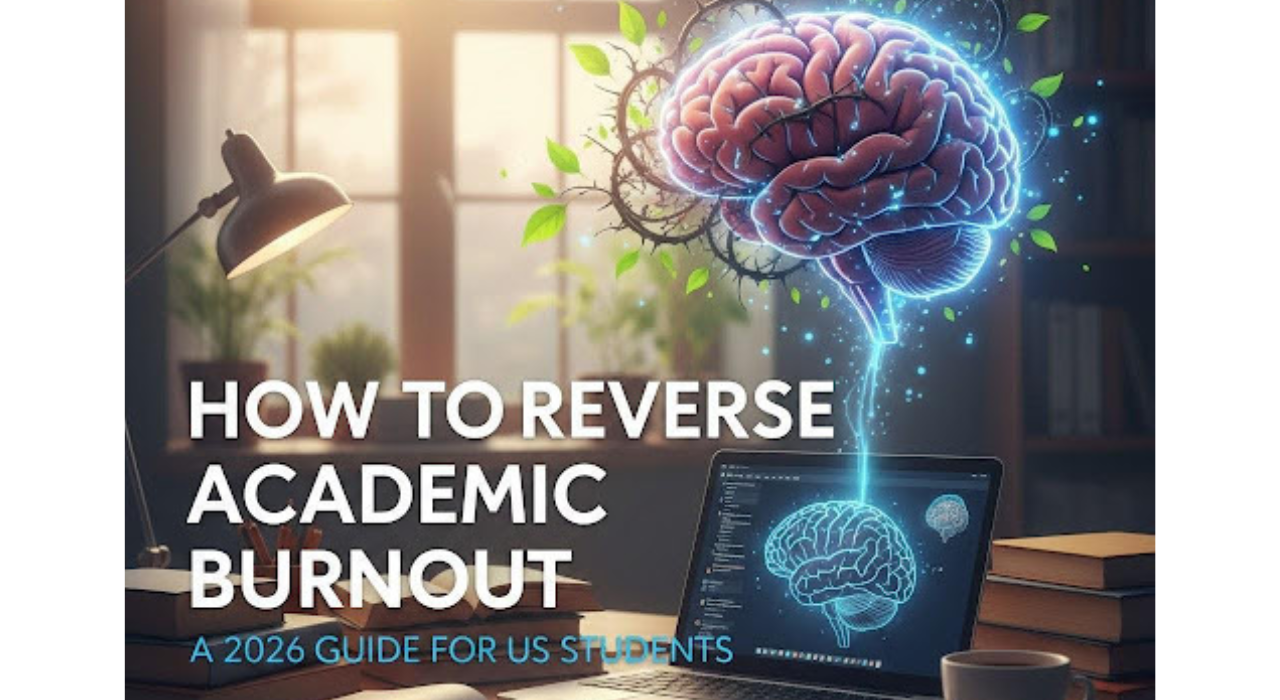
TL;DR: In 2026, student “flourishing” in the US has dipped to 36% despite record awareness of mental health resources. To maintain a high GPA without hitting a wall, students must shift from time-crunching to energy management. This guide explores the neuroscientific shift required for sustainable academic excellence.
The Modern Academic Landscape: Why the Pressure is Peaking
For US high schoolers targeting the Ivy League and college students navigating the “human-plus” AI-driven job market, the “hustle culture” of education has become a double-edged sword. As a researcher, I’ve noted a troubling paradox: the drive for excellence often erodes the very mental health required to achieve it. Academic help from Myassignmenthelp.com — can reduce pressure by providing structured guidance during peak workload periods.
According to the 2026 Thriving College Student Index, 45% of students report a mental health diagnosis, yet many still fear the “high-achiever’s stigma”—the belief that seeking help equals weakness. The US Department of Education now flags “academic fatigue” as the #1 predictor of freshman dropout rates.
The Anatomy of Stress: Identifying Your “Burnout Triggers”
To fix burnout, you must understand its biology. Stress falls into two categories: Eustress (the healthy “push” that helps you finish a paper) and Distress (the “brain fog” that shuts you down). In 2026, the scale tips due to:
- “Future-Proofing” Anxiety: The pressure to be “AI-proof” leads to over-scheduling.
- AP & Honors Overload: The “all-or-nothing” mentality of college applications.
- The Digital Mirror: Constant social comparison causing low-grade cortisol elevation.
The Productivity Paradox: Why “Doing More” Leads to Less
The law of diminishing returns applies heavily to learning. When you are chronically stressed, the sympathetic nervous system takes over. Cortisol spikes, inhibiting the prefrontal cortex—the area responsible for logic and memory encoding.
A four-hour study session in this state might yield only one hour of actual comprehension. True productivity in 2026 isn’t about time management; it’s about biological energy management.
The 2026 Framework for Sustainable Learning
1. Prioritize Active Recall over Passive Reading
Stop “pseudo-studying”—re-reading highlighted notes or watching lecture replays. Active Recall—the act of testing yourself without looking—is mentally demanding but 3x more efficient. Studying smarter for two hours frees up three hours for essential neuroplastic recovery (sleep).
2. The Power of Micro-Habits (Pomodoro 2.0)
The human brain is not designed for 5-hour marathons. Use 25-minute work blocks followed by 5-minute “analog” breaks (no screens). This prevents “cognitive narrowing” and keeps the brain’s “RAM” fresh.
3. Strategic Delegation: The CEO Mindset
High-level executives outsource tasks to focus on their “core genius.” Students should do the same. If the volume of elective assignments or “busy work” is compromising your sleep or core major performance, seeking professional academic help from an experienced assignment helper is an efficient move. We can provide the structural assistance needed to manage heavy workloads. By delegating the repetitive aspects of academic life, you reduce the “burnout load” and protect your energy for deep, high-stakes learning.
4. Radical Rest as a Performance Enhancer
Sleep is not a luxury; it is a neurological necessity. During REM sleep, the brain clears metabolic waste and “saves” your data. If you pull an all-nighter, you are trying to write data to a hard drive that is already full and overheating.
Frequently Asked Questions
Q.1 How do I know if I’m burnt out from school?
Burnout manifests as emotional exhaustion and a sense of detachment. Beyond tiredness, look for persistent irritability, a “foggy” brain that can’t focus, and a total loss of motivation for subjects you once enjoyed.
Q.2 Does burnout affect my GPA?
Absolutely. High cortisol levels from chronic stress impair the prefrontal cortex, which handles logic and memory. This leads to avoidable errors, slower reading speeds, and difficulty applying complex concepts during high-pressure 2026 assessments.
Q.3 What is the best study method for exam anxiety?
Active recall and spaced repetition are your best bets. By simulating the “test environment” in small, frequent bursts, you train your brain to retrieve information calmly, which prevents the fight-or-flight response during finals.