 By Emma Ellis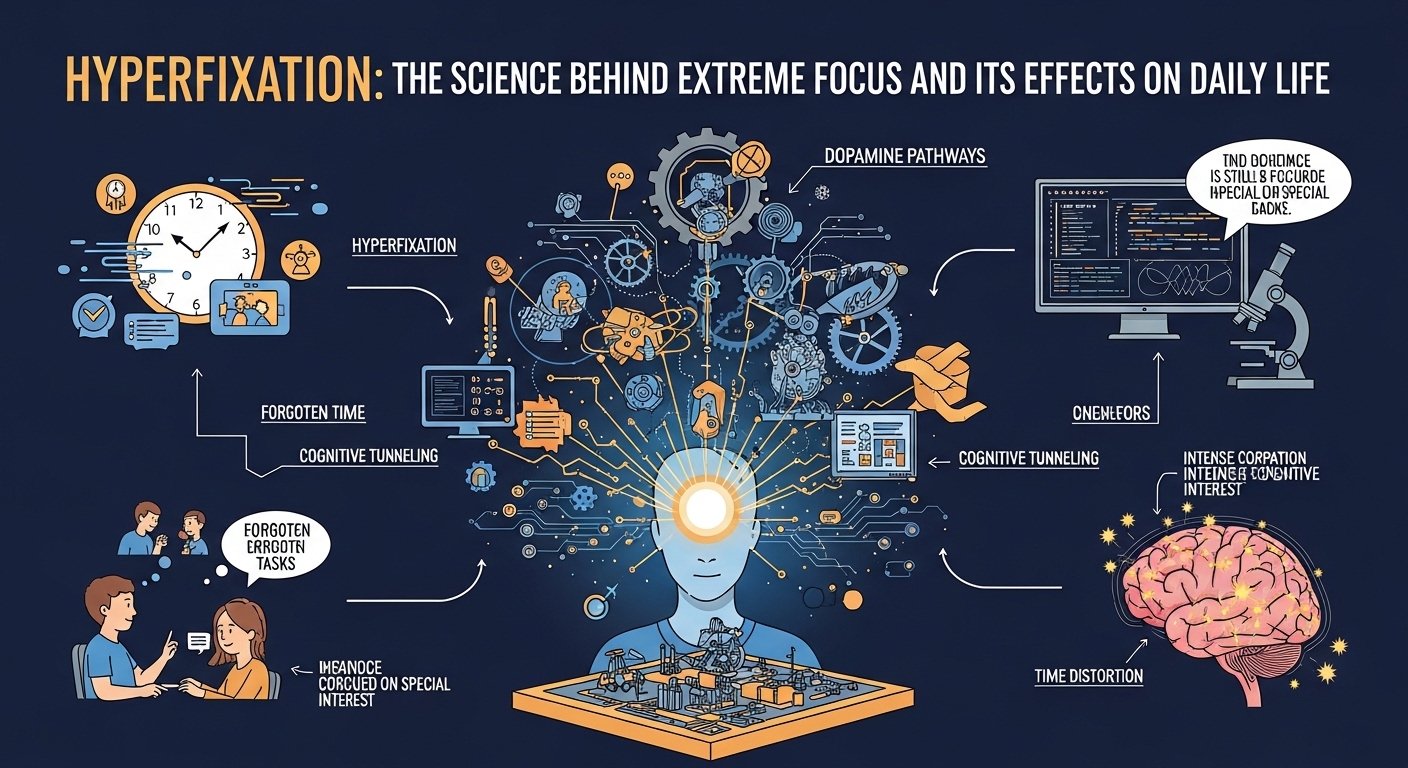
In a world filled with constant distractions, the ability to focus deeply on a single task can seem like a rare and valuable skill. However, for some individuals, focus can become so intense that it dominates their attention and behavior. This phenomenon is known as hyperfiksaatio, a term used to describe a state of extreme concentration where a person becomes completely absorbed in a particular activity, idea, or subject for extended periods of time.
Hyperfiksaatio can be both beneficial and challenging. On one hand, it can lead to incredible productivity, creativity, and expertise in a specific field. On the other hand, it may cause individuals to neglect other responsibilities, relationships, or personal needs. Understanding the science behind hyperfiksaatio helps us better appreciate how the human brain processes attention and how intense focus affects daily life.
This article explores what hyperfiksaatio is, the psychological and neurological mechanisms behind it, its benefits and drawbacks, and strategies for managing extreme focus in a healthy way.
Understanding Hyperfiksaatio
Hyperfiksaatio refers to a mental state where an individual becomes intensely focused on a specific task, topic, or activity for a prolonged period. During this time, a person may lose awareness of their surroundings and ignore external stimuli such as noise, conversations, or even physical needs like hunger or fatigue.
Unlike ordinary concentration, hyperfiksaatio involves an unusually strong level of attention. A person experiencing hyperfiksaatio might spend hours or even days deeply engaged in a single subject, such as researching a topic, working on a creative project, playing a video game, or studying a specific area of interest.
The term is often associated with neurodivergent conditions such as ADHD or autism, but it can also occur in individuals without these conditions. Many people experience temporary periods of hyperfocus when they become deeply engaged in something they enjoy or find intellectually stimulating.
The Psychology of Extreme Focus
To understand hyperfiksaatio, it is important to examine how the brain processes attention. Human attention is controlled by several cognitive systems that determine what information we focus on and how long we maintain that focus.
The brain naturally prioritizes activities that provide strong emotional or intellectual rewards. When a person finds a task highly interesting or stimulating, the brain releases neurotransmitters such as dopamine. Dopamine is associated with motivation, pleasure, and reward, encouraging individuals to continue the activity.
In the case of hyperfiksaatio, this reward system becomes highly engaged. The brain essentially “locks in” on the activity, making it difficult for the individual to shift their attention to something else.
This is why someone experiencing hyperfiksaatio may ignore interruptions or fail to notice the passage of time. Their brain is fully invested in the task at hand.
Neurological Mechanisms Behind Hyperfiksaatio
From a neurological perspective, hyperfiksaatio is connected to the brain’s attention and executive control systems. These systems are responsible for regulating focus, decision-making, and task switching.
Two key brain regions play a role:
1. Prefrontal Cortex
The prefrontal cortex is responsible for planning, decision-making, and maintaining attention. When this area is highly engaged, individuals can sustain focus for long periods.
2. Dopamine Pathways
Dopamine pathways influence motivation and reward. Activities that trigger dopamine release can reinforce prolonged focus and engagement.
In hyperfiksaatio, these systems interact in a way that intensifies concentration while reducing the brain’s ability to switch tasks easily.
Hyperfiksaatio and Neurodiversity
Hyperfiksaatio is frequently discussed in relation to neurodivergent conditions, particularly ADHD and autism spectrum conditions.
Hyperfocus in ADHD
People with ADHD often struggle with maintaining attention on tasks they find uninteresting. However, when they encounter an activity that strongly captures their interest, they may enter a state of hyperfocus. In this state, they can work with remarkable intensity and productivity.
Special Interests in Autism
Individuals on the autism spectrum sometimes develop deep interests in specific topics. These interests can lead to hyperfiksaatio, where a person spends significant time studying or engaging with their chosen subject.
While hyperfiksaatio can create challenges, it can also allow individuals to develop exceptional knowledge and expertise in particular fields.
Positive Effects of Hyperfiksaatio
Despite its potential drawbacks, hyperfiksaatio can provide several advantages.
Increased Productivity
When someone enters a state of extreme focus, they can accomplish large amounts of work in a short period. This level of concentration allows individuals to complete complex tasks efficiently.
Deep Learning
Hyperfiksaatio often leads to intensive learning. Individuals may explore a topic in great depth, gaining detailed knowledge and understanding.
Creativity and Innovation
Artists, writers, scientists, and engineers sometimes experience hyperfocus when working on creative projects. This deep immersion can lead to innovative ideas and breakthroughs.
Skill Development
Because hyperfiksaatio encourages repeated practice and intense engagement, it can help individuals master skills more quickly.
Negative Effects of Hyperfiksaatio
While hyperfiksaatio can be beneficial, it may also create challenges in everyday life.
Loss of Time Awareness
People experiencing hyperfiksaatio may lose track of time. They might spend hours focused on a task without realizing how much time has passed.
Neglect of Responsibilities
Extreme focus can cause individuals to overlook other responsibilities such as work deadlines, household tasks, or social commitments.
Physical Health Issues
When deeply focused, individuals may forget to eat, sleep, or take breaks, which can negatively affect physical health.
Social Disconnection
Hyperfiksaatio can make it difficult for individuals to engage in conversations or social activities because their attention remains fixed on a specific interest.
Hyperfiksaatio in Daily Life
Hyperfiksaatio can appear in many aspects of everyday life.
Work and Career
Professionals may become deeply immersed in complex projects, research, or creative tasks. While this can lead to high productivity, it may also create work-life balance challenges.
Hobbies and Interests
People often experience hyperfiksaatio when engaging in hobbies such as gaming, reading, crafting, or coding.
Education and Learning
Students may become intensely focused on subjects they enjoy, sometimes dedicating large amounts of time to studying or researching specific topics.
Managing Hyperfiksaatio
Learning how to manage hyperfiksaatio is important for maintaining balance in daily life.
Set Time Limits
Using timers or scheduling tools can help individuals remember to take breaks and shift their attention to other tasks.
Create Structured Routines
Daily routines provide structure and ensure that important responsibilities are not overlooked.
Practice Mindfulness
Mindfulness techniques help individuals become more aware of their attention and recognize when they are becoming overly absorbed in an activity.
Prioritize Self-Care
Regular meals, sleep, and exercise are essential for maintaining physical and mental well-being.
Use Productivity Tools
Task management apps and reminders can help individuals stay organized and balanced.
The Difference Between Hyperfiksaatio and Flow
Hyperfiksaatio is sometimes compared to a psychological concept known as “flow.” Flow is a state of deep engagement where a person becomes fully immersed in an activity while maintaining awareness and control.
While both involve intense concentration, there are differences:
-
Flow is typically balanced and productive
-
Hyperfiksaatio can become obsessive and difficult to interrupt
Understanding this distinction helps individuals recognize when deep focus is beneficial and when it may need to be managed.
The Role of Technology in Hyperfiksaatio
Modern technology can both encourage and intensify hyperfiksaatio. Digital platforms such as video games, social media, and streaming services are designed to capture attention and keep users engaged for long periods.
While these technologies provide entertainment and information, they can also make it easier for individuals to become absorbed in digital activities.
Being mindful of technology use is therefore important for maintaining healthy attention habits.
The Future of Research on Hyperfiksaatio
Scientists continue to study attention and focus to better understand how the brain manages cognitive resources. Research in neuroscience and psychology may lead to new insights about hyperfiksaatio and related cognitive processes.
Future studies may explore:
-
Brain activity patterns during extreme focus
-
The relationship between hyperfocus and creativity
-
Methods for improving attention control
-
Tools for helping individuals manage focus effectively
These discoveries could lead to improved educational strategies, workplace productivity tools, and mental health support systems.
Conclusion
Hyperfiksaatio is a fascinating cognitive phenomenon that highlights the incredible capacity of the human brain for intense concentration. While extreme focus can lead to productivity, creativity, and deep learning, it can also present challenges when it interferes with daily responsibilities and well-being.
By understanding the psychological and neurological mechanisms behind hyperfiksaatio, individuals can learn to harness its benefits while minimizing its potential drawbacks. Developing awareness, setting boundaries, and maintaining balanced routines can help ensure that intense focus remains a powerful tool rather than a disruptive force.