
 By Emma Ellis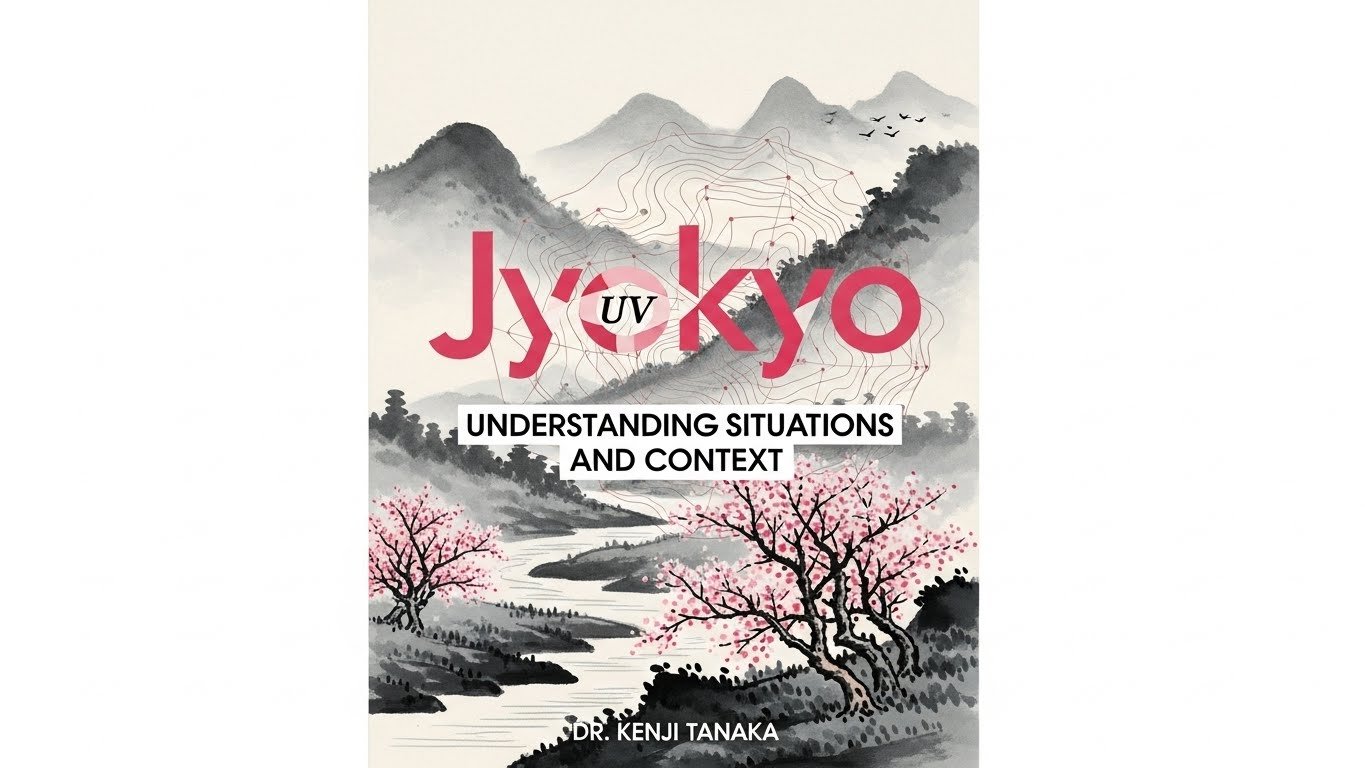
In an interconnected and fast-paced world, the ability to understand situations and context is crucial for effective communication, decision-making, and cultural intelligence. The Japanese term “Jyokyo” (状況) embodies this concept, referring not merely to a situation or circumstance, but also to the broader context, conditions, and dynamics surrounding it. Rooted deeply in Japanese culture, Jyokyo is a concept that extends beyond language—it shapes social interactions, business practices, and even personal mindfulness. This article explores Jyokyo, its meanings, applications across different areas, and strategies for applying it in everyday life.
The Meaning of Jyokyo
The word Jyokyo combines two kanji characters:
-
状 (Jo): condition, status, or state
-
況 (Kyo): situation, circumstances, or context
Together, Jyokyo conveys a nuanced understanding of circumstances, highlighting both the factual state of affairs and the underlying dynamics that influence outcomes. Unlike the English word “situation,” which often focuses narrowly on external facts, Jyokyo encourages a holistic perspective that accounts for social, emotional, cultural, and environmental factors.
At its core, Jyokyo reflects a philosophy of awareness and sensitivity, promoting thoughtful responses rather than reactive actions. It is a principle that has applications in communication, decision-making, business, relationships, and personal growth.
Jyokyo in Japanese Culture
Understanding Jyokyo requires appreciating its cultural context. Japanese society places high value on harmony, indirect communication, and social awareness. Rather than speaking bluntly or imposing opinions, people are encouraged to read between the lines and consider the broader circumstances before responding.
1. Social Interactions
In Japanese social settings, Jyokyo influences how people communicate. For example:
-
Understanding hierarchy and roles is essential to appropriate speech and behavior.
-
Observing non-verbal cues, such as tone, facial expressions, and body language, helps interpret the full situation.
-
Maintaining group harmony (wa) often takes precedence over individual preferences.
By applying Jyokyo, individuals learn to respond with context-sensitive actions, reducing misunderstandings and fostering respectful interactions.
2. Business Practices
Jyokyo also plays a crucial role in Japanese business culture. Decisions are rarely made hastily; instead, leaders assess the entire situation, considering stakeholder interests, timing, and long-term impact. This approach promotes strategic planning, risk mitigation, and consensus building. For example, during negotiations, understanding the Jyokyo allows professionals to read subtleties in tone and behavior that indicate priorities, concerns, or potential conflicts.
3. Daily Life and Etiquette
Even everyday life in Japan reflects Jyokyo. From choosing appropriate greetings to adapting behavior in public spaces, people constantly assess the situation and adjust accordingly. A train carriage may require silence, while a casual gathering allows laughter and conversation. Jyokyo teaches situational awareness, guiding individuals to act appropriately and harmoniously within their environment.
Applications of Jyokyo Beyond Japan
While Jyokyo is rooted in Japanese language and culture, its principles have universal relevance. Understanding situations and context is vital in a range of modern applications.
1. Cross-Cultural Communication
In an increasingly globalized world, interacting with diverse cultures requires sensitivity to context. Jyokyo can guide:
-
Recognizing cultural norms, taboos, and etiquette
-
Adjusting communication style to suit different audiences
-
Avoiding misunderstandings in international collaborations
By adopting a Jyokyo mindset, individuals become more culturally aware, empathetic, and effective communicators.
2. Leadership and Management
Effective leaders must understand the broader context before making decisions. This involves:
-
Analyzing internal team dynamics
-
Considering external market or societal factors
-
Anticipating consequences and ripple effects
Jyokyo encourages leaders to combine analytical thinking with situational awareness, balancing short-term needs with long-term strategy.
3. Personal Mindfulness
Jyokyo is closely aligned with mindfulness practices. By observing the present moment and recognizing the conditions surrounding events, individuals can:
-
Respond calmly rather than react impulsively
-
Improve emotional intelligence
-
Navigate complex social or professional scenarios with grace
In this sense, Jyokyo is not only a communication tool but also a philosophy for personal development.
Practical Strategies for Applying Jyokyo
Applying Jyokyo effectively involves cultivating awareness, observation, and thoughtful response. Here are some practical strategies:
1. Observe Carefully
Before responding to any situation, take a moment to observe:
-
Environmental factors
-
Emotional climate
-
Social dynamics
-
Unspoken rules or expectations
This helps form a complete understanding of the situation rather than reacting to isolated facts.
2. Consider Multiple Perspectives
Jyokyo emphasizes the interconnectedness of elements. When making decisions, consider:
-
How different stakeholders are affected
-
Potential long-term consequences
-
How actions may be perceived
This holistic approach reduces conflict and fosters harmonious outcomes.
3. Practice Active Listening
Effective communication under Jyokyo requires listening attentively. Pay attention to:
-
Verbal cues
-
Tone and inflection
-
Non-verbal signals
Active listening ensures that responses are informed, respectful, and context-sensitive.
4. Reflect Before Acting
Before reacting, pause and ask:
-
“What is the broader context?”
-
“What are the underlying factors?”
-
“What response will maintain harmony and effectiveness?”
This reflection is the essence of Jyokyo in practice, preventing impulsive or inappropriate actions.
5. Adapt and Flex
Situations are dynamic. Jyokyo requires flexibility, adjusting strategies as conditions change. Whether in business, relationships, or personal life, adaptability ensures that actions remain appropriate and effective.
Jyokyo in Modern Technology and Workplaces
In contemporary workplaces and technological environments, Jyokyo is increasingly relevant:
1. Team Collaboration
Teams often involve diverse personalities, skill sets, and expectations. Applying Jyokyo helps:
-
Resolve conflicts
-
Align goals and workflows
-
Foster cooperation and cohesion
By understanding the situational context of each team member, managers and colleagues can work more effectively.
2. Project Management
In complex projects, Jyokyo can guide:
-
Risk assessment and mitigation
-
Stakeholder communication
-
Adaptive planning
Recognizing the full context allows project leaders to anticipate challenges and respond proactively.
3. Artificial Intelligence and User Experience
Even in technology, Jyokyo has relevance. Designing AI systems or user interfaces requires context awareness—anticipating how users will interact with the system under various circumstances. Understanding situational factors ensures more intuitive, user-friendly designs.
Benefits of Embracing Jyokyo
Incorporating Jyokyo into personal and professional life offers numerous benefits:
-
Improved Communication: Context-sensitive responses reduce misunderstandings and enhance clarity.
-
Stronger Relationships: Awareness of social dynamics fosters respect, empathy, and trust.
-
Better Decision-Making: Understanding the full situation enables more strategic choices.
-
Reduced Conflict: Anticipating reactions and adjusting behavior maintains harmony.
-
Enhanced Adaptability: Jyokyo encourages flexible thinking in dynamic environments.
Ultimately, Jyokyo fosters a holistic, thoughtful approach to life, work, and interaction.
Challenges in Practicing Jyokyo
While Jyokyo is valuable, it requires practice and mindfulness. Common challenges include:
-
Overanalyzing Situations: Excessive reflection may delay decisions.
-
Cultural Misinterpretation: Applying Jyokyo outside of its cultural context requires sensitivity.
-
Balancing Action and Observation: Being aware of context should not prevent timely action.
The key is balanced application—using Jyokyo to inform decisions without overcomplicating or stalling action.
Jyokyo as a Mindset for the Future
As societies become more interconnected and complex, the principles of Jyokyo are increasingly valuable. From global business negotiations to personal mindfulness, the ability to read situations, consider context, and respond thoughtfully is a crucial skill. Practicing Jyokyo fosters resilient, adaptable, and socially intelligent individuals and organizations.
By embracing Jyokyo, people can navigate ambiguity, build stronger relationships, and make decisions that consider both immediate circumstances and long-term implications.
Conclusion
Jyokyo: Understanding Situations and Context is more than a linguistic term; it is a philosophy of awareness, sensitivity, and thoughtful action. Rooted in Japanese culture, Jyokyo teaches individuals to observe, reflect, and act in harmony with circumstances. Its applications span social interactions, business practices, technology, and personal mindfulness.