
 By Emma Ellis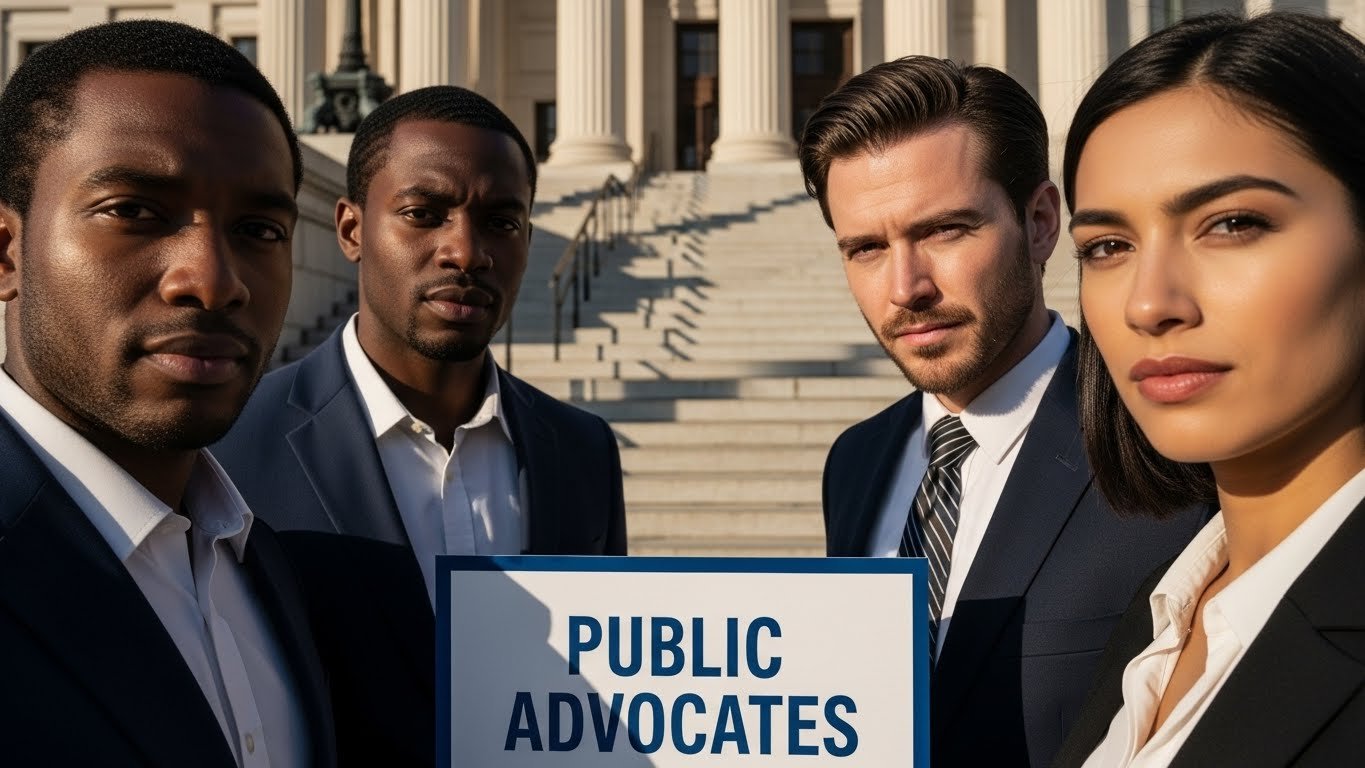
In modern democratic societies, maintaining transparency, accountability, and fairness in governance is essential. One of the key figures ensuring this balance is the Ombudsmann, or plural Ombudsmänner—public advocates who act as intermediaries between citizens and authorities. Their primary role is to protect citizens’ rights, address grievances, and monitor government and organizational accountability.
Ombudsmänner are critical in creating trust between the public and institutions, providing a structured way for complaints to be heard, investigated, and resolved. This article explores the history, roles, responsibilities, benefits, challenges, and global impact of Ombudsmänner as public advocates.
Understanding the Ombudsmann Concept
The term Ombudsmann originates from Swedish law, where it referred to an official appointed to investigate complaints against public authorities. Over time, this concept has been adopted in many countries and organizations worldwide, adapted to local legal and administrative systems.
An Ombudsmann is usually independent, impartial, and empowered to act on behalf of citizens. While not a judicial authority, the office holds significant influence, ensuring that public bodies, private institutions, or corporations adhere to laws, regulations, and ethical standards.
The Purpose of Ombudsmänner
Ombudsmänner serve as public advocates, bridging the gap between authorities and citizens. Their key purposes include:
-
Protecting Citizens’ Rights
Ombudsmänner safeguard citizens from misuse of power, negligence, or unfair practices by public institutions. -
Resolving Complaints
They provide a structured mechanism for complaints to be lodged, investigated, and addressed efficiently. -
Promoting Transparency
By monitoring administrative procedures, Ombudsmänner enhance the transparency of public and private institutions. -
Ensuring Accountability
Their investigations hold organizations accountable, encouraging ethical and lawful behavior. -
Advising on Policy Improvements
Insights from complaints can inform policy reforms, making systems more citizen-friendly.
Key Roles and Responsibilities
The work of Ombudsmänner varies depending on the organization or country. However, their core responsibilities generally include:
1. Receiving Complaints
Ombudsmänner serve as an accessible point for the public to submit grievances regarding administrative actions, legal violations, or ethical concerns.
2. Investigating Cases
Once a complaint is received, they investigate objectively, gathering evidence, reviewing documents, and interviewing relevant parties to determine facts.
3. Mediating Disputes
They often act as neutral mediators, helping citizens and institutions resolve disputes without formal legal proceedings.
4. Recommending Corrective Actions
After investigation, Ombudsmänner may recommend changes or remedies to address issues, prevent recurrence, or improve administrative practices.
5. Reporting Findings
Many Ombudsmänner offices publish annual or periodic reports, highlighting common issues, trends, and policy recommendations for the government or organization.
6. Educating the Public
By raising awareness of citizens’ rights and institutional responsibilities, Ombudsmänner empower the public to act responsibly and seek redress when necessary.
Types of Ombudsmänner
Ombudsmänner exist in various sectors, each serving distinct functions:
1. Government Ombudsmänner
These officials investigate complaints against public authorities, government agencies, or municipal bodies. Their role ensures administrative fairness, transparency, and legal compliance.
2. Corporate Ombudsmänner
Many large corporations appoint Ombudsmänner to address employee grievances, ethical concerns, or workplace issues, ensuring organizational accountability.
3. Healthcare Ombudsmänner
Healthcare systems employ Ombudsmänner to resolve patient complaints, protect medical rights, and ensure quality care.
4. Education Ombudsmänner
Universities and schools may have Ombudsmänner to mediate disputes between students, staff, or administration and uphold institutional fairness.
5. Specialized Ombudsmänner
Some countries have specialized roles for environmental protection, data privacy, consumer rights, or financial oversight, reflecting the evolving needs of public advocacy.
The Importance of Ombudsmänner
The presence of Ombudsmänner offers several benefits to both citizens and institutions:
-
Strengthens Democracy
By providing oversight and redress, Ombudsmänner reinforce the principles of fair governance, transparency, and citizen participation. -
Promotes Trust
Citizens are more likely to trust government agencies and institutions that allow independent complaint review and corrective action. -
Reduces Bureaucratic Burden
Ombudsmänner help resolve disputes outside the court system, saving time and resources for both citizens and institutions. -
Encourages Institutional Improvement
Insights gained from complaints allow authorities to revise policies, improve services, and prevent misconduct. -
Protects Vulnerable Groups
Ombudsmänner often advocate for those less able to defend their rights, including minorities, children, the elderly, and marginalized communities.
Challenges Faced by Ombudsmänner
Despite their significance, Ombudsmänner encounter challenges that can affect their effectiveness:
1. Limited Enforcement Power
While they can recommend actions, many Ombudsmänner cannot enforce decisions, relying on cooperation from authorities.
2. Resource Constraints
Some offices face insufficient staffing, funding, or technological support, limiting their capacity to address complaints promptly.
3. Political Pressure
Independence is essential, but Ombudsmänner may face pressure or influence from powerful institutions, affecting impartiality.
4. Public Awareness
In some regions, citizens are unaware of the Ombudsmann’s role, reducing complaint submissions and overall impact.
5. Complex Cases
Investigating intricate legal, administrative, or technical complaints can be time-consuming and resource-intensive.
Despite these challenges, strong institutional frameworks and public support help Ombudsmänner remain effective.
Ombudsmänner Around the World
Sweden
The modern concept of the Ombudsmann originated in Sweden in 1809, tasked with supervising public authorities and ensuring citizens’ rights were protected.
European Union
The European Ombudsman investigates complaints about maladministration in EU institutions, promoting transparency and accountability across member states.
United States
While the U.S. does not have a federal Ombudsman system, state-level and corporate ombuds offices operate in areas like education, healthcare, and corporate governance.
United Kingdom
The UK employs Parliamentary and Local Government Ombudsmen, focusing on complaints against government departments, councils, and public services.
Other Countries
Many nations, including Germany, Canada, India, and Australia, have institutionalized Ombudsmänner to strengthen public advocacy and governance oversight.
Steps to File a Complaint with an Ombudsmann
-
Identify the Appropriate Office – Determine whether the complaint is suited for a government, corporate, or specialized Ombudsmann.
-
Submit the Complaint – Complaints can often be submitted online, via email, or in writing.
-
Provide Supporting Documentation – Include evidence, documents, and details to strengthen the case.
-
Cooperate with the Investigation – Respond to inquiries and provide additional information if requested.
-
Receive Findings and Recommendations – The Ombudsmann may issue a report or recommend corrective action.
-
Follow Up – Ensure recommendations are implemented and monitor outcomes.
The Future of Ombudsmänner
As governance and organizations evolve, the role of Ombudsmänner continues to expand:
-
Digital Ombudsmänner – Online platforms allow citizens to submit complaints digitally, improving access and efficiency.
-
Specialized Advocacy – Increasing focus on data privacy, environmental issues, and consumer protection.
-
Global Collaboration – Ombudsmänner across borders share best practices, enhancing international oversight.
-
Enhanced Transparency – Integration with technology allows real-time reporting and public accountability.
The evolution ensures that Ombudsmänner remain relevant and responsive to modern societal challenges.
Conclusion
Ombudsmänner: Public Advocates are essential for maintaining fairness, transparency, and accountability in both public and private institutions. By protecting citizens’ rights, resolving complaints, promoting ethical conduct, and recommending improvements, Ombudsmänner strengthen democracy, foster trust, and empower the public.
As societies become more complex, the role of Ombudsmänner will continue to adapt and expand, integrating technology and specialization to meet new challenges. Ultimately, these public advocates serve as guardians of justice, fairness, and citizen welfare, ensuring that every individual has a voice and that institutions remain accountable to the people they serve.