
 By Emma Ellis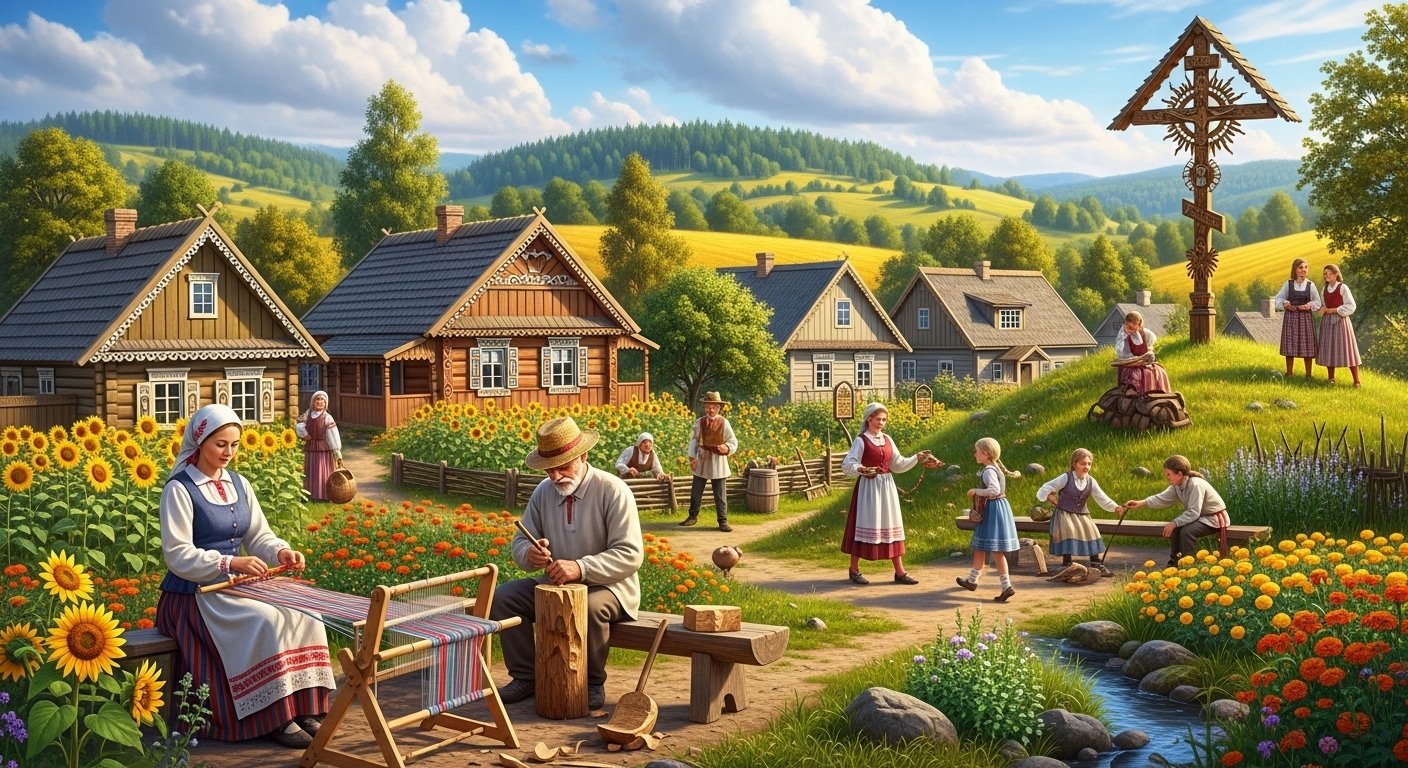
Language is more than just a tool for communication; it is a window into culture, history, and identity. Certain words carry layers of meaning that extend far beyond their literal definitions, encapsulating traditions, lifestyles, and collective memory. In Lithuania, one such word is sodziu. At its core, sodziu is tied to the rural landscape, family homesteads, and the way of life that has shaped Lithuanian culture for centuries. It represents not only a physical place but also a cultural heartbeat—one that resonates deeply with themes of tradition, community, and heritage.
Defining “Sodziu”
The term sodziu (often written in Lithuanian as sodžius) refers to a rural settlement, village homestead, or small agricultural community. Historically, these were areas where families lived in close connection with their land, cultivating crops, raising animals, and participating in local traditions.
Linguistically, sodziu is connected to the words sodas (garden) and sodyba (homestead). Its roots lie in the agrarian nature of Lithuanian society, where life was closely intertwined with the soil, the seasons, and the rhythms of nature. In this sense, sodziu captures both a physical space and the lifestyle associated with rural living.
Historical Background
Lithuania’s rural culture dates back centuries, shaped by the country’s geography, climate, and socio-political history. Villages and homesteads like sodziu formed the backbone of rural life. These settlements were not just dwellings—they were self-sufficient communities where families farmed the land, shared resources, and celebrated traditions together.
During the feudal period and later under various political regimes, Lithuanian villages maintained their cultural identity through family farms, communal rituals, and local governance. The concept of sodziu embodies this resilience and connection to place, even as modernization has transformed rural landscapes.
Sodziu as a Cultural Concept
While sodziu can refer to a physical homestead or cluster of homes, it also holds deep cultural and emotional significance:
-
Connection to Family Roots: Sodziu is often associated with the ancestral home, where generations of a family have lived and worked. It evokes memories of grandparents, family traditions, and seasonal rituals.
-
Tradition and Heritage: The lifestyle in a sodziu reflects centuries of agricultural knowledge, craft traditions, and community practices passed down through generations.
-
Simplicity and Self-Sufficiency: Life in a sodziu is grounded in basic human needs—farming, cooking, crafting, and maintaining balance with nature.
-
Community and Cooperation: Villages and homesteads were built on cooperation among neighbors, shared labor during planting and harvest, and communal celebrations of festivals.
These cultural layers make sodziu more than just a word—it is a symbol of Lithuanian identity.
Daily Life in a Traditional Sodziu
Life in a traditional sodziu was closely linked to agriculture and the seasons:
-
Spring: Families prepared the fields for planting, repaired fences, and renewed tools. Seasonal festivals celebrated the end of winter and the beginning of new growth.
-
Summer: Crops flourished, gardens thrived, and daily labor focused on maintaining livestock and irrigation. Folk songs and communal gatherings often marked the midsummer celebrations.
-
Autumn: Harvest time was critical, with families working together to gather crops, preserve food, and prepare for winter. Harvest festivals included music, dancing, and feasting.
-
Winter: The homestead shifted focus to indoor tasks—crafting, repairing, cooking, and storytelling. Winter evenings were times for family bonding and passing down oral traditions.
The daily rhythm of sodziu life was a harmonious blend of labor, social interaction, and cultural expression.
Sodziu in Lithuanian Language and Literature
Sodziu is frequently referenced in Lithuanian literature, folklore, and poetry. Writers often use it to evoke nostalgia for a rural way of life or to explore themes of community, family, and connection to the land. Folk songs and oral storytelling further immortalize the experiences of life in these homesteads.
By preserving the term in literature and speech, Lithuanians maintain a linguistic bridge to their rural heritage, even as urbanization and modern living have changed the country’s landscape.
Architectural Features of Sodziu Homesteads
Traditional sodziu homesteads were designed to support family life, agriculture, and seasonal activities:
-
Main House: The central dwelling often included living spaces for family members, a kitchen, and areas for social gatherings.
-
Barns and Stables: Structures for housing animals such as cows, pigs, and horses were integral to the farm.
-
Gardens and Orchards: Home gardens and small orchards provided vegetables, fruits, and herbs for family consumption.
-
Outbuildings: Workshops, storage sheds, and smokehouses supported craft production, food preservation, and daily chores.
-
Fences and Paths: Traditional sodziu included natural boundaries and pathways connecting homes, fields, and communal spaces.
These architectural elements reflected a functional design rooted in agricultural necessity and family-centered living.
Festivals and Traditions in Sodziu
Sodziu was not just a place of work—it was a hub of cultural life. Traditional festivals, folk music, and seasonal rituals were central to village life:
-
Joninės (Midsummer): Celebrated with bonfires, songs, and dances to honor the summer solstice.
-
Harvest Festivals: Marked the completion of the agricultural cycle, often with feasts and community gatherings.
-
Religious Holidays: Many sodziu homesteads observed Christian and pre-Christian rituals, blending faith with local customs.
These celebrations reinforced community bonds and preserved cultural knowledge.
Modern Relevance of Sodziu
While urbanization and modern technology have transformed rural Lithuania, sodziu remains culturally significant:
-
Heritage Preservation: Many families maintain ancestral homes as a link to their heritage.
-
Rural Tourism: Eco-tourism and cultural tourism initiatives allow visitors to experience traditional village life.
-
Slow Living Movement: Sodziu symbolizes a simpler, slower lifestyle that contrasts with urban fast-paced living.
-
Education and Cultural Programs: Schools, museums, and cultural organizations use sodziu as a teaching tool to connect younger generations with Lithuanian traditions.
Even in modern contexts, sodziu serves as a symbol of identity, continuity, and connection to the land.
Sodziu and Environmental Consciousness
Traditional sodziu life was inherently sustainable, emphasizing:
-
Seasonal and local food production
-
Renewable resources like wood, straw, and stone
-
Minimal waste and reuse of materials
-
Harmony with natural ecosystems
These principles are increasingly relevant today, as modern society seeks ways to reduce environmental impact and reconnect with sustainable practices.
Challenges to Preserving Sodziu
Despite its cultural importance, sodziu faces challenges:
-
Urbanization: Migration to cities reduces the population living in traditional villages.
-
Modernization: New building materials and technology can alter traditional architecture and practices.
-
Cultural Loss: Younger generations may lack direct experience of sodziu life, threatening continuity.
Preserving sodziu requires conscious efforts from communities, governments, and cultural organizations.
Conclusion
Sodziu – The Heart of Lithuanian Village Life and Cultural Roots is more than just a word—it is a lens through which we can understand Lithuanian identity, history, and values. From its origins as a rural homestead to its role in literature, traditions, and modern cultural consciousness, sodziu embodies the essence of life connected to family, community, and nature.
By exploring the meaning and significance of sodziu, we gain insight into the resilience, creativity, and cultural richness of Lithuania. In a rapidly modernizing world, the wisdom and heritage captured in sodziu offer not only nostalgia but also guidance for sustainable living, community connection, and cultural preservation.