
 By Emma Ellis
Screw conveyors move bulk materials like grains, powders, and sludge through industrial facilities using a rotating helical blade inside a trough. These conveyor systems handle everything from mining operations to food processing across Australia.
However, most operations can’t afford the downtime caused by manual handling anymore. Companies like RUD supply material handling solutions for Australian industrial sites, including screw conveyors.
This guide covers how these systems work, where they’re used, and what counts for selecting conveyor equipment. You’ll also learn the difference between screw and roller conveyors, plus maintenance tips for reliable operations.
Read on to find the right solutions for your site.
How Screw Conveyors Work in Material Handling
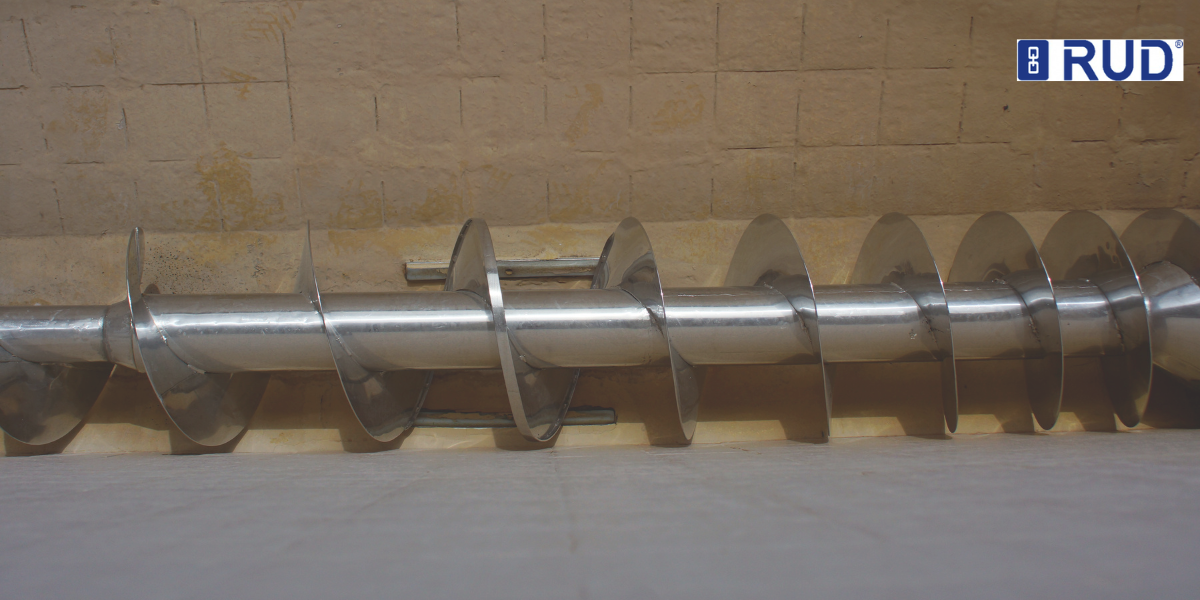
A rotating screw blade pushes material from one end to the other, similar to how a corkscrew moves through a bottle. To be more specific, the screw rotates inside a trough while the helical design creates forward momentum for bulk materials.
Follow along, and you’ll see how understanding the mechanics makes selecting the right system easier.
The Basic Principle Behind Screw Conveyor Systems
We’ve already mentioned that the rotating helical screw blade pushes material along a trough or tube from one point to another. These conveyor systems work like an Archimedes screw by moving bulk materials horizontally, at an incline, or vertically through facilities.
This happens because the pitch and speed of the screw determine how fast materials travel. And a tighter pitch slows transport but gives more control for delicate products.
Key Components That Move Bulk Materials
The screw flight (the helical blade), drive unit, and trough housing form the core conveyor structure. Plus, bearings support the rotating shaft while seals prevent material leakage at connection points throughout operation.
Manufacturers design these components to handle abrasive materials and high volumes without breaking down. To keep everything moving safely, inlet and discharge points control where materials enter and exit the conveyor system.
Why Manual Handling Gets Replaced by Conveyor Systems
Conveyor systems replace manual handling because it creates injury risks, slower processing times, and inconsistent material flow across work sites (and yes, we’ve all seen the workers’ comp claims that follow).
Conveyor systems also reduce labour costs while improving workplace safety and efficiency in Australian facilities.
On top of that, automated material transport lets workers focus on quality control instead of repetitive lifting tasks. This minimises manual handling while operations run smoothly and safely.
Common Industrial Applications for Screw Conveyors
The best part about screw conveyors is that they work across mining, food processing, wastewater treatment, and agriculture without modification.
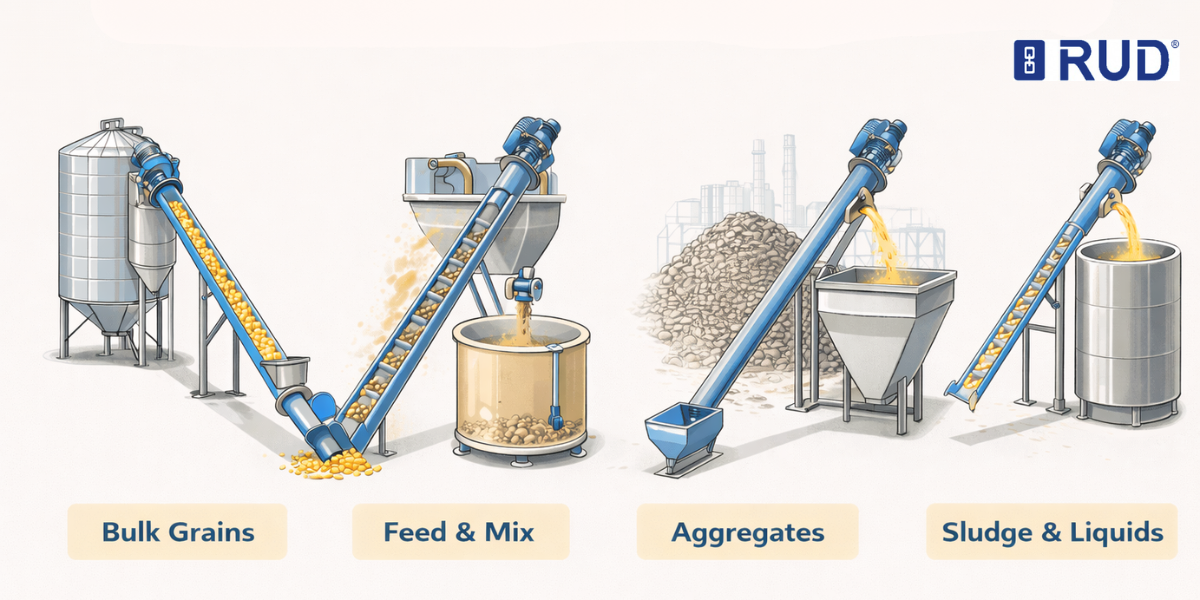
Believe it or not, conveyors handle everything from livestock feed to chemical powders. We’ve seen mining operations in Queensland move tonnes of coal daily with properly sized conveyor systems.
These conveyors adapt to various shapes and materials across different industries as follows:
- Mining Operations: Screw conveyors move coal, ore, and tailings between processing stages efficiently. Their enclosed design prevents dust emissions while handling abrasive materials through harsh Australian conditions.
- Food Processing Facilities: Grain, flour, sugar, and other dry ingredients travel safely through production without contamination. Plus, they have stainless steel construction that suits hygiene requirements between mixing, packing, and warehousing stages.
- Wastewater Treatment Plants: Sealed screw conveyors transport sludge and biosolids while containing odours properly. Besides, their corrosion-resistant components handle moisture and chemical exposure across facility operations without degrading.
- Agriculture and Livestock Operations: Feed, seeds, and grain storage move between silos and processing areas daily. These systems handle bags of product efficiently during retail packing, increasing throughput while reducing manual handling across farming logistics.
- Manufacturing Plants: Powders, granules, and bulk chemicals move safely without worker exposure to hazardous materials. That’s why automotive and industrial facilities use conveyors to enhance productivity across warehousing and assembly operations.
In short, screw conveyors fit multiple applications without major modifications, which makes them flexible solutions for Australian industries.
Screw Conveyors vs Roller Conveyors: Which System Suits Your Operation?
Each system handles different material types, so matching the right conveyor to your application saves time and money. For instance, screw conveyors contain powders, grains, and bulk materials, while roller conveyors work best for packaged goods like boxes and pallets.
Before deciding which one to buy, learn the difference between them first:
| Feature | Screw Conveyors | Roller Conveyors |
| Material Type | Powders, grains, bulk materials | Boxes, bags, pallets |
| Containment | Fully enclosed | Open surface |
| Power Source | Motor-driven screw | Gravity or powered rollers |
| Best Use | Warehousing bulk handling | Packaging lines, logistics |
Bottom line: Screw conveyors contain material fully to prevent dust and spillage (that spillage adds up faster than you’d think). On the flip side, roller conveyors can’t control loose materials effectively.
Once you understand where screw conveyors fit, the next question becomes which type suits your operation.
Choosing From the Standard Range or the Comprehensive Range
Standard range options suit most basic applications, while comprehensive range systems handle specialised materials and demanding conditions. Which means the range you pick depends on your application requirements and site constraints.
Generally, three factors count when narrowing down conveyor systems for your operation, and here they are:
Product Filter Categories That are Significant for Selection
Firstly, diameter, length, and motor power ratings help you to narrow down options through product filters on supplier websites. Material compatibility is important here, too.
Conveyors’ stainless steel variation suits corrosive environments, while carbon steel handles abrasive bulk materials in standard applications.
Throughput capacity specifications should match your site’s hourly or daily material movement needs. At the same time, weight limits and configurations determine which equipment suits your specific shapes and components.
These filter categories help you find suitable systems without sorting through hundreds of options.
Getting Expert Advice on Conveyor Rollers and Systems
Experienced suppliers assess your material type, distance, incline, and environmental conditions before recommending equipment configurations. Plus, expert advice prevents costly mistakes like undersized motors or incorrect screw pitch for your application.
In this regard, local Brisbane suppliers understand Australian standards and can provide site visits for custom design solutions. Based on our experience working with Brisbane industrial sites, we recommend getting your specifications sorted early to prevent expensive retrofits down the track.
Remember, durability affects long-term equipment performance and business operations. Similarly, flexible capabilities let you adapt systems as your setup evolves.
Maintenance Tips for Long-Lasting Screw Conveyor Performance
Regular maintenance prevents unexpected breakdowns and reduces downtime across production operations (a lesson most sites learn the expensive way). And there’s no way around this.
That’s why keep these maintenance priorities on your schedule to minimise manual handling issues and workplace safety risks:
- Inspect Bearings and Seals Regularly: Worn bearings cause vibration and noise before complete failure happens. So, replace them before failures cause production downtime or material spillage across equipment and facility floors.
- Clean Screw Flights and Trough Housing: Material buildup reduces conveyor capacity and increases motor strain on systems. Here, clean buildup prevents efficiency losses while extending component durability across manufacturing operations.
- Check Drive Belt Tension and Alignment Monthly: Uneven wear shortens belt lifespan significantly when tension settings drift. However, monthly checks catch these alignment issues early before they damage motors or reduce reliability in business operations.
- Lubricate Moving Parts: Proper lubrication prevents friction damage to components during installation and ongoing use. To solve this, you should use appropriate greases for your operating temperature and environment to enhance equipment performance efficiently.
That’s how planned maintenance costs less than emergency repairs while keeping conveyor systems running safely across Australian operations.
Getting the Right Conveyor System for Your Site
Choosing the right conveyor systems depends on your materials, site layout, and throughput requirements. Besides, screw conveyors suit bulk materials, while roller equipment handles packaged goods across Australian operations.
Solutions range from standard configurations to custom design projects for specialised applications. Here, expert advice helps you to avoid costly mistakes during equipment selection and installation.
RUD Australia supplies conveyor components and solutions for industrial sites across the country. Contact our team to discuss your project requirements and achieve reliable material handling for your business.