 By Emma Ellis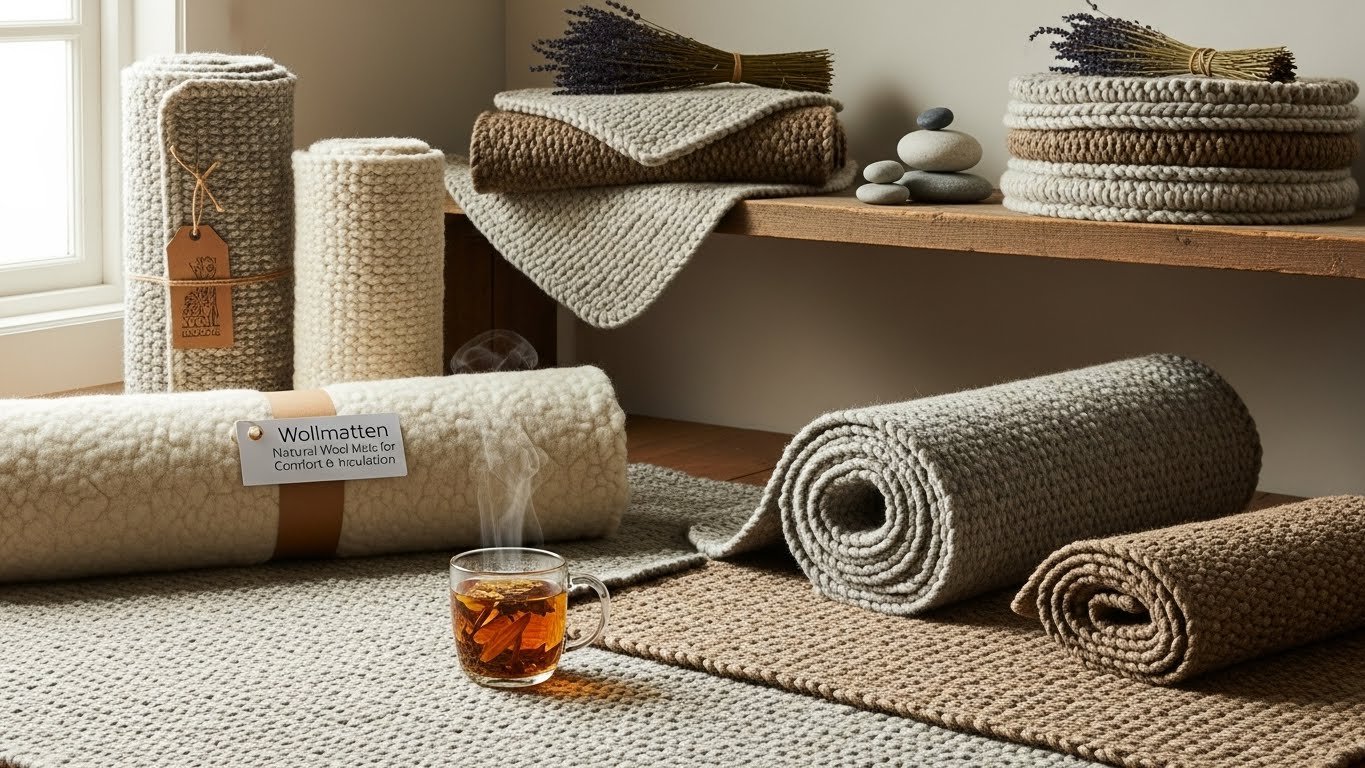
Wollmatten: Natural Wool Mats for Comfort & Insulation are becoming an essential choice for people who value warmth, sustainability, and timeless design. Made primarily from pure wool, wollmatten combine natural performance with aesthetic versatility, making them suitable for homes, outdoor adventures, and even industrial applications. This in-depth guide explores everything you need to know about wollmatten, from their origins and benefits to their practical uses and care, written in a human, SEO-optimized style to help you fully understand their value.
What Are Wollmatten?
Wollmatten is a German term that translates to “wool mats.” These mats are typically crafted from sheep’s wool or other natural wool fibers that are cleaned, felted, and compressed into dense, durable mats. Unlike synthetic mats, wollmatten rely on the inherent properties of wool, such as insulation, breathability, and resilience.
Historically, wool mats have been used in colder regions for centuries. Today, they are appreciated not only for their functionality but also for their eco-friendly appeal and compatibility with both rustic and modern interiors.
The Natural Power of Wool
Wool as a Renewable Resource
One of the biggest advantages of wollmatten is their origin. Wool is a renewable and biodegradable material. Sheep produce new wool each year, making it a sustainable alternative to petroleum-based fibers. When responsibly sourced, wool mats have a minimal environmental footprint.
Unique Fiber Structure
Wool fibers have a natural crimp that traps air. This trapped air is what makes wollmatten such excellent insulators. The fiber structure also allows wool to regulate temperature and moisture, keeping spaces warm in winter and comfortable year-round.
Key Benefits of Wollmatten
Exceptional Insulation
Wollmatten are highly valued for their thermal insulation. They help retain heat by reducing heat loss through floors, walls, or sleeping surfaces. This makes them ideal for cold climates, drafty rooms, and outdoor use.
Natural Comfort
Unlike hard or synthetic mats, wool mats provide a soft yet supportive surface. They feel warm underfoot and add a sense of coziness to any environment, whether placed in a living room, bedroom, or tent.
Durability and Longevity
Wool fibers are naturally elastic and resilient. Woll-matten can withstand heavy foot traffic and repeated use without losing their shape. With proper care, a high-quality wool mat can last for many years.
Breathability and Moisture Control
Wool can absorb moisture without feeling wet. This property helps prevent condensation and keeps surfaces dry, making wollmatten suitable for camping, yoga, and insulation purposes.
Fire Resistance
Wool is naturally flame-resistant and does not melt like synthetic fibers. This adds an extra layer of safety when using wollmatten in homes or industrial settings.
Wollmatten in Home Decor
Adding Warmth to Living Spaces
In home decor, wollmatten are commonly used as floor mats, area rugs, or underlays. Their neutral textures and earthy tones complement various design styles, from minimalist Scandinavian interiors to cozy rustic homes.
Sound Insulation
Beyond thermal comfort, wollmatten also provide acoustic insulation. They help absorb sound, reducing echo and noise in rooms with hard flooring.
Aesthetic Versatility
Modern woll-matten are available in different thicknesses, patterns, and finishes. This versatility allows homeowners to use them as statement pieces or subtle background elements.
Wollmatten for Outdoor and Camping Use
Ideal Camping Mats
Wool mats have long been favored by campers for their insulating properties. Placed under sleeping bags, wollmatten create a barrier against cold ground temperatures, improving sleep comfort.
Lightweight and Practical
Despite their density, woll-matten can be rolled or folded for transport. They are practical for camping, picnics, and outdoor seating, offering both comfort and durability.
Temperature Regulation Outdoors
Wool naturally adapts to temperature changes. This means wollmatten can provide warmth in cool conditions while remaining breathable during milder weather.
Industrial and Practical Applications
Construction and Insulation
In industrial settings, woll-matten are used for natural insulation in buildings. They help regulate indoor temperatures and contribute to energy efficiency.
Machinery and Soundproofing
Wool mats are also applied in machinery environments to reduce vibration and noise. Their density and sound-absorbing qualities make them useful in workshops and studios.
Eco-Friendly Alternative
As industries move toward sustainable solutions, wollmatten offer a natural alternative to synthetic insulation materials.
Sustainability and Environmental Impact
Biodegradable and Low Waste
At the end of their life cycle, wollmatten decompose naturally without releasing harmful microplastics into the environment.
Energy Efficiency
By improving insulation, wollmatten help reduce energy consumption in homes and buildings. This leads to lower heating costs and reduced carbon emissions.
Supporting Ethical Wool Production
Choosing woll-matten made from ethically sourced wool supports responsible farming practices and animal welfare.
How to Choose the Right Wollmatten
Thickness and Density
Thicker mats provide better insulation, while thinner mats are more flexible and suitable for decorative purposes. Consider the intended use before selecting thickness.
Wool Quality
High-quality wollmatten are made from pure wool with minimal synthetic blends. Look for certifications or product descriptions that confirm natural composition.
Intended Use
For home decor, focus on design and finish. For camping or industrial use, prioritize durability and insulation performance.
Caring for Wollmatten
Regular Maintenance
Shake out dust and debris regularly. Vacuum gently using a low-suction setting to maintain fiber integrity.
Spot Cleaning
For stains, use cold water and mild soap. Avoid harsh chemicals that can damage wool fibers.
Long-Term Care
Allow wollmatten to air out occasionally to refresh the fibers. Proper care ensures longevity and sustained performance.
Wollmatten vs Synthetic Mats
Compared to synthetic mats, woll-matten offer superior insulation, breathability, and environmental benefits. While synthetic options may be cheaper initially, wool mats provide better long-term value due to their durability and sustainability.
Why Wollmatten Are a Timeless Choice
The appeal of wollmatten lies in their balance of tradition and modern relevance. They have been used for generations yet fit seamlessly into contemporary lifestyles focused on comfort and eco-conscious living.
From cozy homes to rugged outdoor settings, wollmatten continue to prove their worth as a versatile and natural solution.
Conclusion
Wollmatten are more than simple mats—they are a sustainable investment in comfort, insulation, and timeless design. Made from natural wool, they deliver warmth, durability, and environmental benefits that synthetic alternatives struggle to match. Whether used in home decor, camping, or industrial insulation stand out as a practical and eco-friendly choice for modern living.